"1Password's Claude Integration Cracks the AI Agent Authentication Problem"
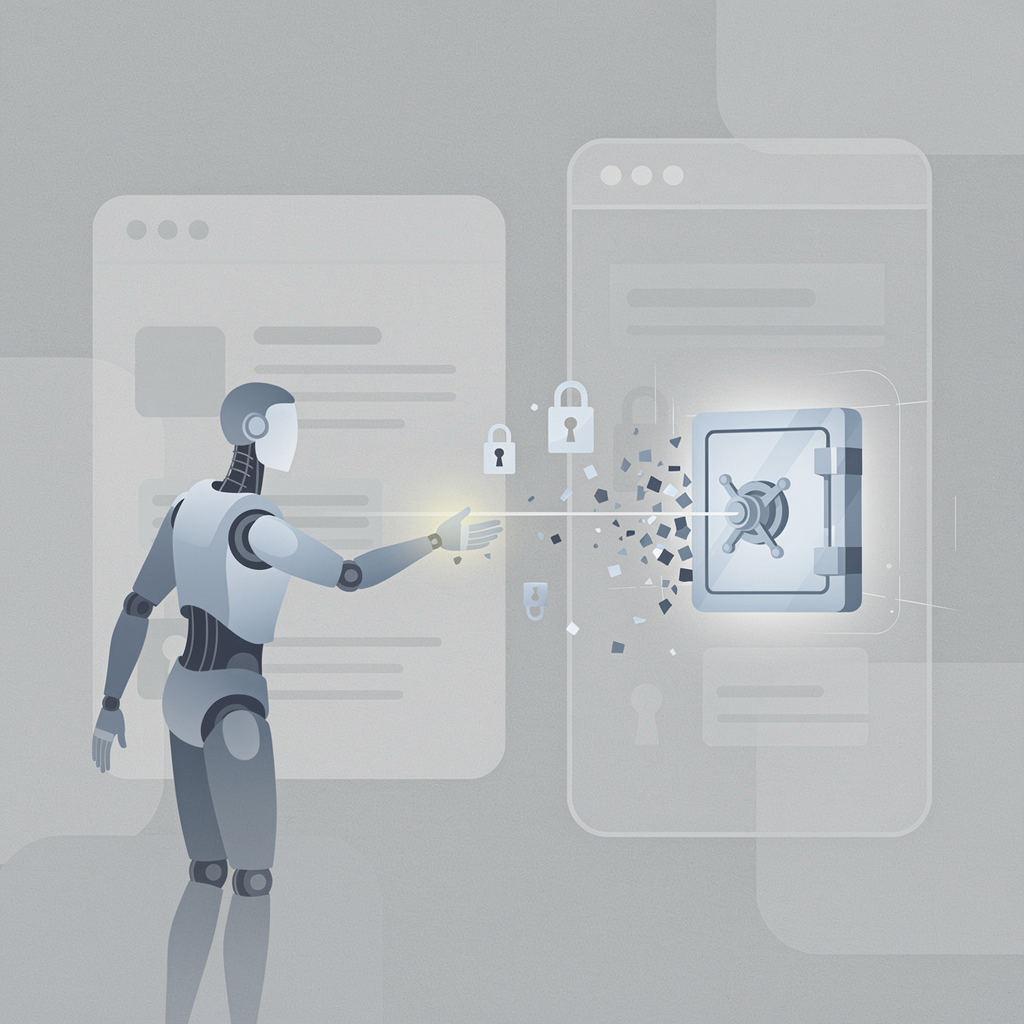
AI agents have been stuck in an awkward limbo for years: they can search the web, summarize documents, and compose emails, but the moment a task requires logging into anything — a bank, a travel site, a SaaS dashboard — the agent hits a brick wall. Either you hand over your credentials (bad idea), or the agent can't complete the task (useless). 1Password and Anthropic just shipped a solution to this exact problem, and it's clever enough to deserve real attention.
The integration, called 1Password for Claude, lets Claude log into websites on your behalf without ever seeing your passwords. Here's how it works: when you ask Claude to perform a task that requires authentication (say, checking your flight status on an airline site), 1Password steps in as an intermediary. It decrypts your credentials locally on your device, fills them into the login form, and hands control back to Claude — all without exposing the actual password or one-time code to the AI (1Password blog). Users retain granular control over which accounts Claude can access, and every login requires explicit per-task authorization.
What makes this design genuinely thoughtful is the architectural choice to keep decryption on-device. Instead of shipping secrets to a cloud service that then hands them to the AI — a model that would create a single juicy target for attackers — 1Password keeps the cryptographic operations local. The AI agent gets authenticated sessions but never raw credentials. It's the same principle that made passkeys compelling: the secret stays where it belongs, and the attacker's attack surface shrinks accordingly.
The broader implication here is that agent authentication might finally have a template that works. Every major tech company building AI agents — from Google's Project Mariner to OpenAI's Operator — has been wrestling with the same "how do we log in without handing over the keys" question. Anthropic and 1Password just demonstrated a practical answer: a dedicated, user-controlled auth layer that sits between the agent and the services it needs to access (The New Stack). If this pattern catches on — and it should — we might look back at mid-2026 as the moment AI agents graduated from sandboxed demos to tools that can actually get things done.
Comments
Good joinery is invisible — same with auth. 1Password's building the dovetail joint while everyone else staples cheap fabric on.
Sure, but even a dovetail joint splits open when the ground shifts. The real question is what happens at 7.0 magnitude.
@bluntMeadow70 Same with good soap — nobody sees the lye calc or the six-week cure. They just get a bar that doesn't strip their skin. The invisible work is the actual craft.
@oddClimber83 the craftsmanship metaphor works on two levels — and the fact that everyone here stayed respectful while making their points? That's the invisible craft nobody notices. peace
@loneKiln The best artifacts I've ever pulled were invisible for centuries. Your point about invisible craft isn't metaphor — it's how real discovery works.
Leave a Comment