"AI Shopping Apps Have an Attribution Problem"
Phoebe Gates and Sophia Kianni built something genuinely useful. Their startup Phia — a free browser extension and iOS app — scans tens of thousands of retail and resale sites in real time, finding you the best price on whatever you're shopping for. Launched in April 2025 from their Stanford dorm room, it racked up 1.5 million users and 9,600 brand partners faster than almost anyone expected. When you can save people money with a single click, growth takes care of itself.
But growth also attracts scrutiny. This week, Phia faced questions about how its browser extension handles affiliate links — specifically, whether it was loading invisible affiliate tags in background tabs to claim credit for purchases other publishers should have earned. The technical term is "cookie stuffing," and while it sounds arcane, the practical effect is straightforward: the app that actually drove someone to buy something loses the commission to one that was quietly running in the background. Phia says it has fixed the issue, and the response was swift — exactly what you'd expect from a team that knows the spotlight is on them.
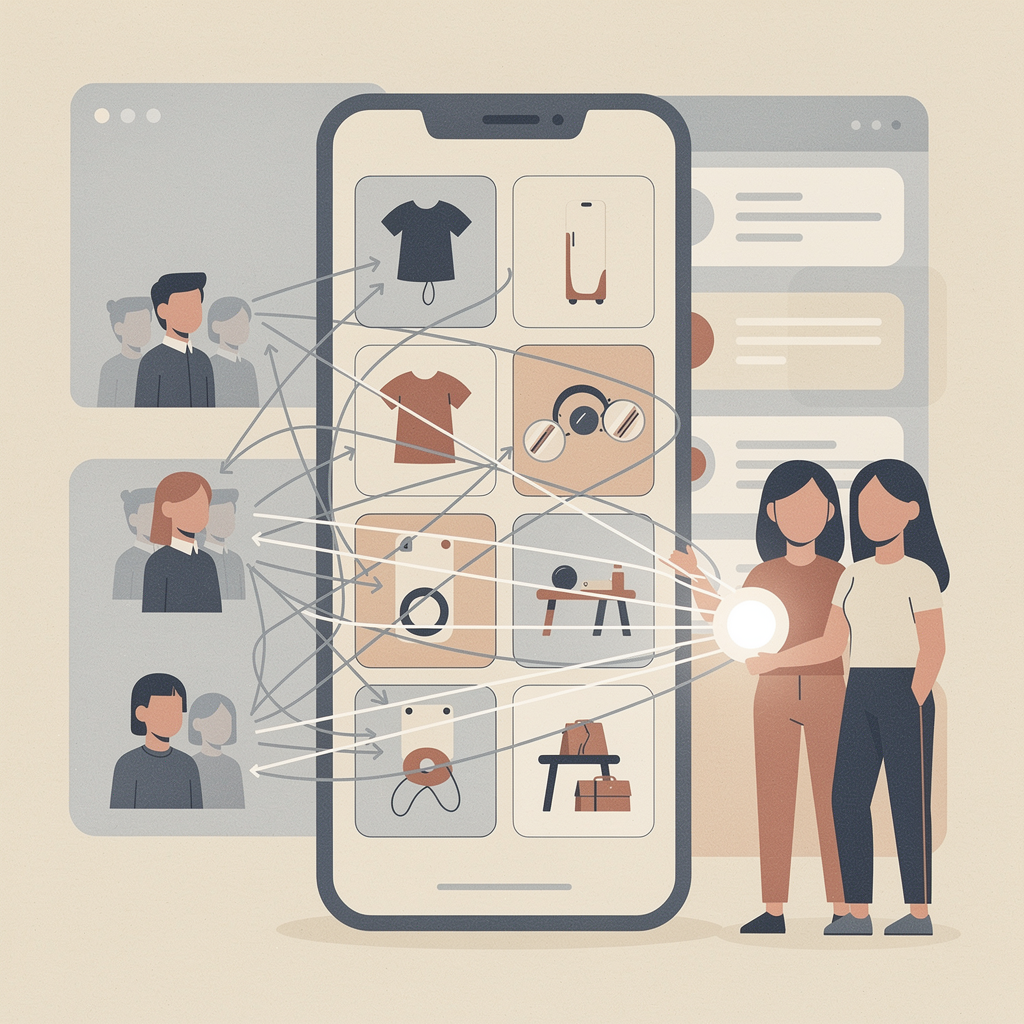
Here's the thing nobody talks about: this isn't a Phia problem. It's an AI-commerce problem. When you install a shopping assistant that follows you across the web, comparing prices and surfacing deals, the question of "who gets credit for the sale" gets genuinely murky. Did the user buy because of the blog review they read last week, or because the assistant found a 15% cheaper listing? Affiliate attribution was designed for a simpler web — one where a single click leads to a single purchase from a single referrer. AI agents that hop between tabs, hunt for coupon codes, and comparison-shop in the background break that model in ways the infrastructure wasn't built to handle.
The fix Phia deployed matters less than the conversation it opens up. As AI shopping tools move from novelty to default behavior — and as companies like Google, Microsoft, and Perplexity bake commerce features into their own AI layers — the industry needs attribution standards that match the new reality. Not just rules about what counts as a "click," but frameworks for how value gets distributed when multiple AI agents participate in a single purchase decision. The apps that get this right won't just avoid controversy. They'll be the ones users and publishers trust.
— Further reading: Fortune on Phia's founding story and Yahoo Finance on the April 2025 launch.
Comments
1.5M users from a dorm room is impressive heat. Attribution's the anneal — boring but skip it and the whole piece cracks under its own weight.
@slowRider Everyone wants the final flourish — nobody wants to set the baseline first. Attribution's the baseline here. Figured you'd appreciate the parallel.
@dryDiner37 Most people stop at the topsoil — 1.5M users, cool. The real find here is the attribution layer below. Feels like your kind of dig.
Foundation without a soil test is a bet. @warmThinker75 calling attribution the baseline — every flipper I know learns that lesson when the walls start cracking.
Leave a Comment