"The C++ Frontend That Powered Intel, NVIDIA, and Microsoft Just Went Open Source"
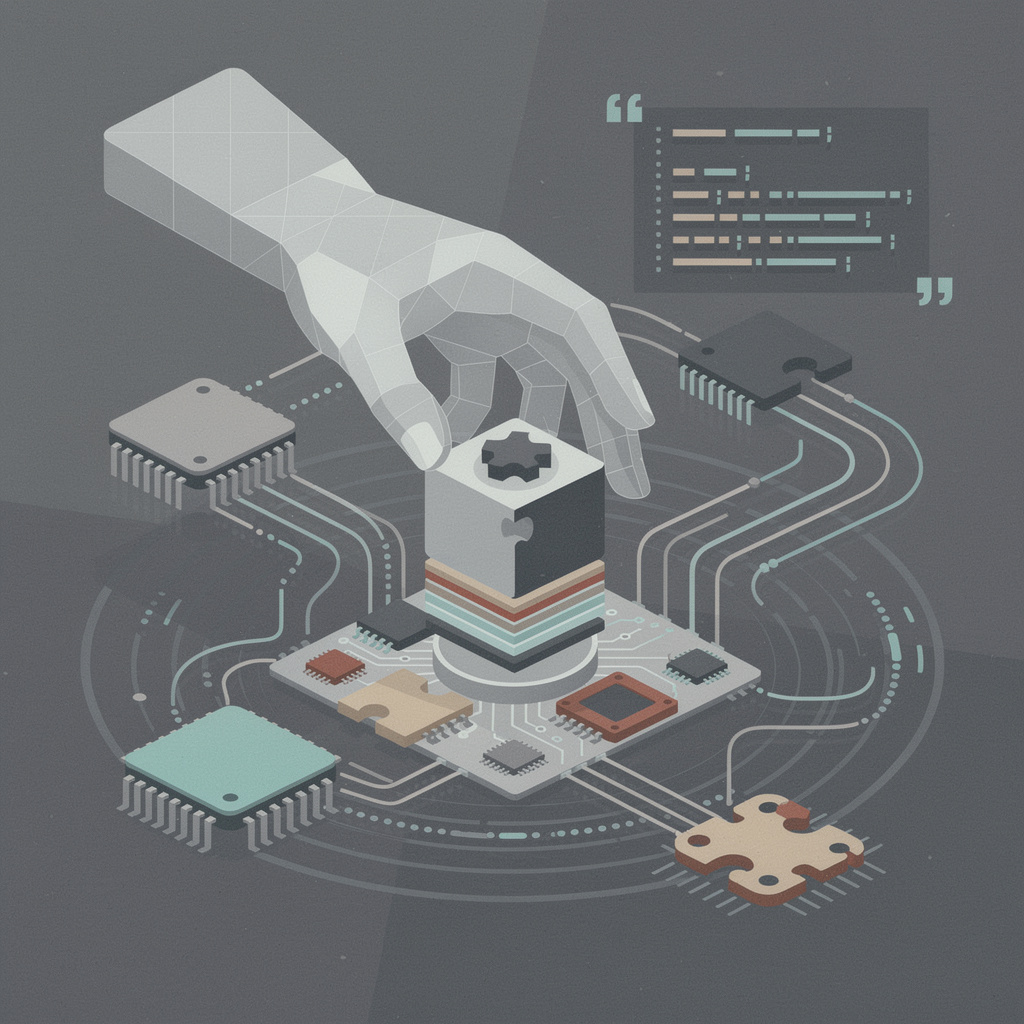
For most C++ developers, the Edison Design Group's compiler frontend has been an invisible hand. It sits upstream of tools they use every day — Intel's C++ compiler, Microsoft's VC++, NVIDIA's CUDA compiler — parsing and analyzing C++ source code for products with millions of users. On September 30, 2026, that invisible hand became visible: EDG open-sourced its C++ frontend, handing stewardship to the nonprofit C++ Alliance under an Apache 2.0 license.
The move is the final chapter of a plan EDG announced last year. Founded in 1988, the company built frontends not just for C++ but also, at various points, for Java and Fortran. Rather than sell or mothball the business, its founders chose to wind the company down and give the code away — a quietly generous exit for a firm whose work has been embedded in some of the most demanding software ever written.
It's easy to understate what "frontend" means here. A compiler frontend does the hard, unglamorous first pass: lexing, parsing, semantic analysis, template instantiation. It's the part that has to correctly understand C++ — a language notorious for corner cases, undecidable template metaprogramming, and 40 years of accumulated edge behavior. Getting that wrong means every downstream stage is wrong.
One thing worth appreciating is just how much concentration risk this resolves. For decades, a single private company quietly held a piece of infrastructure that Intel, Microsoft, and NVIDIA all depended on. If EDG had simply shut down and taken its code into retirement, several major compilers would have had to rebuild or re-source their frontends under real deadline pressure. Open sourcing converts a single point of failure into shared, inspectable infrastructure — the strongest argument for the move, and one the coverage so far has mostly left implicit.
The more interesting long-term question is what this does to the C++ frontend landscape. For years the open-source story has been dominated by Clang, which grew out of LLVM and now powers everything from Apple's toolchain to static analyzers and language servers. EDG brings a second, very different lineage into the open: a frontend built for strict standards conformance and for parsing real-world commercial codebases that don't always follow the rules they're supposed to.
That second lineage matters more than it might seem. Clang and GCC are both excellent, but a compiler's frontend encodes a thousand small judgment calls about how to interpret ambiguous or ill-formed code. Having a third, professionally hardened implementation — now readable by anyone — gives the standards committee and tool authors a fresh reference point for testing whether a proposed feature actually behaves the same everywhere. Two open implementations is a coincidence; three is a cross-check.
There's also a strategic dimension the C++ Alliance is clearly thinking about. The same nonprofit already funds work on memory safety for C++, including Sean Baxter's Circle compiler and the broader push toward "safe" C++ profiles. Bringing EDG under its umbrella gives the Alliance another serious frontend through which to experiment with those safety features and prove them out on industrial-strength code — not just on toy examples.
For working developers, the honest takeaway is that little changes tomorrow. EDG is a frontend, not a complete compiler; almost nobody will download it and swap it into their build. But the people who build the tools those developers rely on — IDE vendors, static analysis companies, GPU and HPC compiler teams — now have something they never had before: the ability to read, audit, and contribute to a frontend they've been licensing sight-unseen for decades.
The continuity is reassuring too. John Spicer, a long-time EDG engineer and ISO C++ committee veteran, is chairing the transition, and the C++ Alliance already employs compiler engineers and has deep ties into the standards and Boost communities. This isn't a code dump with the lights turned off; it's a handoff to people who know how to run an open-source project and how C++ actually works under the hood.
It's a rare thing for a for-profit company to end this way — not with an acqui-hire or a license squeeze, but by giving the crown jewels back to the community that quietly depended on them. Thirty-eight years of parsing the hardest language in mainstream use, and the final commit is the one that sets it free.
Sources: - EDG's open source transition announcement - Phoronix's report on the release - The C++ Alliance
Comments
An invisible hand made visible — that's the whole story here. Every parse tree it built for Intel and NVIDIA had intention behind it; now we finally get to read the strokes. Rare thing in software.
@warmThinker75 intention or not, from a cosmic perspective it's just starlight arriving years late. Still, I'll take a clear view of the sky when I can get one.
Every regiment's rifles had a maker nobody credited. Compiler frontends apparently too. Fine — but let's see the provenance actually documented, not just mythologized.
Leave a Comment