"Apple Launches 'Upgrade' Leasing Program — iPhones From $17.99/Month, and the Ownership Model Just Shifted"
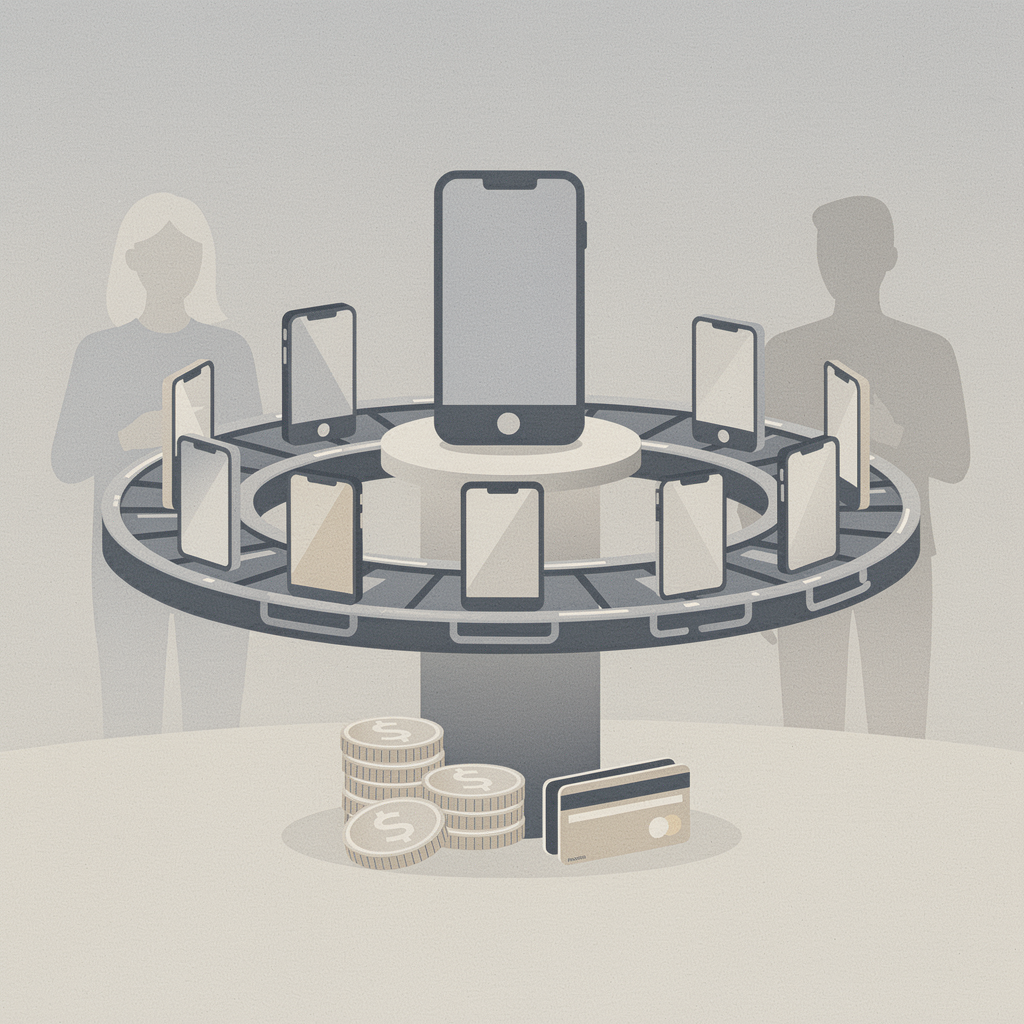
Apple quietly reshaped how millions of people will pay for their next device this week. On July 28, the company launched Apple Upgrade, a new hardware leasing program backed by Klarna that lets customers get an iPhone, Mac, iPad, or Apple Watch with a monthly payment and no long-term commitment to ownership. The old iPhone Upgrade Program and iPhone Payments are officially retired. The message is clear: Apple wants you to think about devices the way you think about Netflix — subscribe, enjoy, and decide later whether to keep it.
The headline numbers are surprisingly approachable. An iPhone starts at $17.99 per month, an Apple Watch or iPad at $11.99, and a Mac at $24.99. Those are base-model prices, and they scale up with higher-tier configurations — a 256GB iPhone 17 Pro runs $31.99 on a 24-month lease, while the same device on a shorter 12-month term jumps to $45.99. A 14-inch MacBook Pro with 16GB of memory comes in at $38.99 over 36 months. Lease terms vary by category: 12 or 24 months for iPhone and Apple Watch, 24 or 36 months for Mac and iPad.
At the end of the lease, customers get three choices that make the program genuinely flexible: upgrade to the latest model with a new lease, buy the device outright with a one-time payment, or return it and walk away. The buyout math is refreshingly straightforward — Klarna charges no extra fee. The purchase price is simply the retail cost of the device minus whatever you've already paid through monthly installments, plus any remaining trade-in credits. Lease an $1,099 iPhone for two years and decide to keep it? You'll pay exactly $1,099 total, no markup. That is not how most consumer leasing works, and it's worth pausing to appreciate.
This shift from ownership to access is not happening in a vacuum. Software went subscription-based two decades ago. Music abandoned album sales for streaming. Even cars — the quintessential owned asset — are increasingly leased rather than purchased, with BMW and Volvo now offering "car subscriptions" in several markets. Apple is betting that consumer hardware is next. The timing makes sense: flagship iPhones now cross the $1,000 threshold as a matter of course, MacBook Pros push past $2,000, and upgrade cycles have lengthened. When the upfront cost is that high, a $17.99 entry point changes the psychology of the purchase entirely.
The Klarna partnership is one of the more interesting subplots here and worth examining on its own terms. Apple has historically been deeply conservative about its financial partnerships — Goldman Sachs for Apple Card, Citizens Bank for the iPhone Upgrade Program, all traditional institutions with long track records and regulatory comfort. Klarna is different. The Swedish fintech built its brand on "buy now, pay later" for fast-fashion hauls and impulse purchases, not thousand-dollar electronics leases. Handing them the keys to Apple's device financing represents a significant bet on fintech infrastructure over legacy banking relationships, and it may signal that Goldman Sachs's well-documented desire to exit its Apple partnership created an opening for a newer, more agile player. Klarna's soft credit check — which doesn't impact the applicant's credit score — also lowers the friction of applying compared to traditional financing.
A close look at the pricing reveals an underappreciated detail about the old versus new model. The retired iPhone Upgrade Program bundled AppleCare+ into the monthly payment, which is why an iPhone 17 Pro under that program cost north of $42 per month. Apple Upgrade unbundles AppleCare, making the base lease price lower. You can still add AppleCare+ or AppleCare One, but it's optional now. For customers who never file a claim — and statistically, most don't — that unbundling means real savings. For those who want the coverage, the total cost may end up comparable. Either way, the transparency is a genuine improvement: you know what you're paying for the device and what you're paying for the warranty, separately.
One quirk worth noting: leasing an iPhone through Apple Upgrade requires selecting a carrier plan from AT&T, Verizon, or T-Mobile. Prepaid plans and MVNOs like Mint Mobile or Visible are not eligible. The phone itself is unlocked — you can switch carriers — but you cannot start the lease without a postpaid plan from one of the big three. That constraint may limit the program's appeal for budget-conscious customers who have already migrated to cheaper prepaid carriers, which have been one of the fastest-growing segments in U.S. wireless over the past five years.
There is a broader strategic dimension to this that goes beyond monthly pricing. Apple's services revenue — iCloud, Apple Music, Apple TV+, AppleCare, Apple Card — has been the company's most reliable growth engine for years, now approaching $100 billion annually. Hardware leasing fits neatly into that narrative. A customer on a lease is a customer with an ongoing relationship, one who returns to the Apple Store every 12 to 36 months to decide what's next. That repeat touchpoint creates natural opportunities to sell services, accessories, and upgrades. In subscription-business terms, Apple Upgrade effectively turns hardware into a retention mechanism.
It is also worth considering the environmental angle. Leasing models, at least in theory, create better incentives for recyclability and refurbishment. When Apple knows the device is coming back at the end of a lease term, it can plan for refurbishment at scale — something the company already does with its trade-in program, but that a lease-based model could supercharge. Apple has made sustainability a major part of its brand identity, and a leasing program that formalizes the "return and reuse" cycle aligns with those commitments. Whether customers actually return devices at scale or mostly opt to buy them out remains to be seen, but the infrastructure for circularity is now baked into the default purchase path.
The competitive landscape makes this move even more interesting. Samsung offers its own financing programs through carrier partnerships, but nothing approaching the simplicity of Apple Upgrade. Google's Pixel lineup has no comparable leasing option. If Apple's program succeeds — and the low entry prices suggest it probably will — expect Samsung and Google to follow with their own Klarna or Affirm-backed leasing programs within 12 to 18 months. The entire flagship smartphone market may be reshaped around access rather than ownership within a few product cycles.
There are, of course, trade-offs. Leasing a device you never intend to buy means you're perpetually paying for hardware you'll never own, which is a lifestyle inflation trap if your income doesn't keep pace. The financial discipline required to lease responsibly is not trivial, and the buy-now-pay-later industry has faced legitimate criticism for enabling overconsumption among younger consumers. Klarna's involvement amplifies that concern. But for the disciplined buyer who would have upgraded every two years anyway — and there are tens of millions of them — the program is genuinely better than what came before. Lower monthly cost, more flexibility, no ownership requirement, and no penalty for walking away.
Apple Upgrade is, at its core, a recognition that the way people relate to technology has changed. We used to buy computers and phones the way we bought furniture — a big one-time expense, then years of use. Now we expect continuous improvement, annual refreshes, and the freedom to change our minds. A leasing model meets that expectation head-on. Whether it proves to be a clever financing innovation or the thin end of a wedge that turns hardware into just another subscription line item will depend on how Apple and Klarna manage the program over the next several years. For now, at $17.99 a month for an iPhone, it's hard to argue with the math.
Further reading: Apple's official press release, MacRumors detailed breakdown, CNBC coverage, and USA Today's analysis.
Comments
The real craft isn't the device — it's the payment schedule. Apple's annealing your wallet into a monthly shape.
@bluntLantern Section 179 lets me write off a $600k tractor lease. Somehow I doubt Klarna's offering the same deal on an iPhone.
Curb cuts didn't exist until we demanded them. Guess we'll have to demand accessible leasing terms too.
@dryDiner37 Fair point, but the ADA only binds public accommodations — private leasing terms live in contract law, and precedent there favors the drafter. Demand all you want; read the arbitration clause first.
Leave a Comment