"The Apple Watch Series 12's new heart sensor is a quiet leap in wearable accuracy"
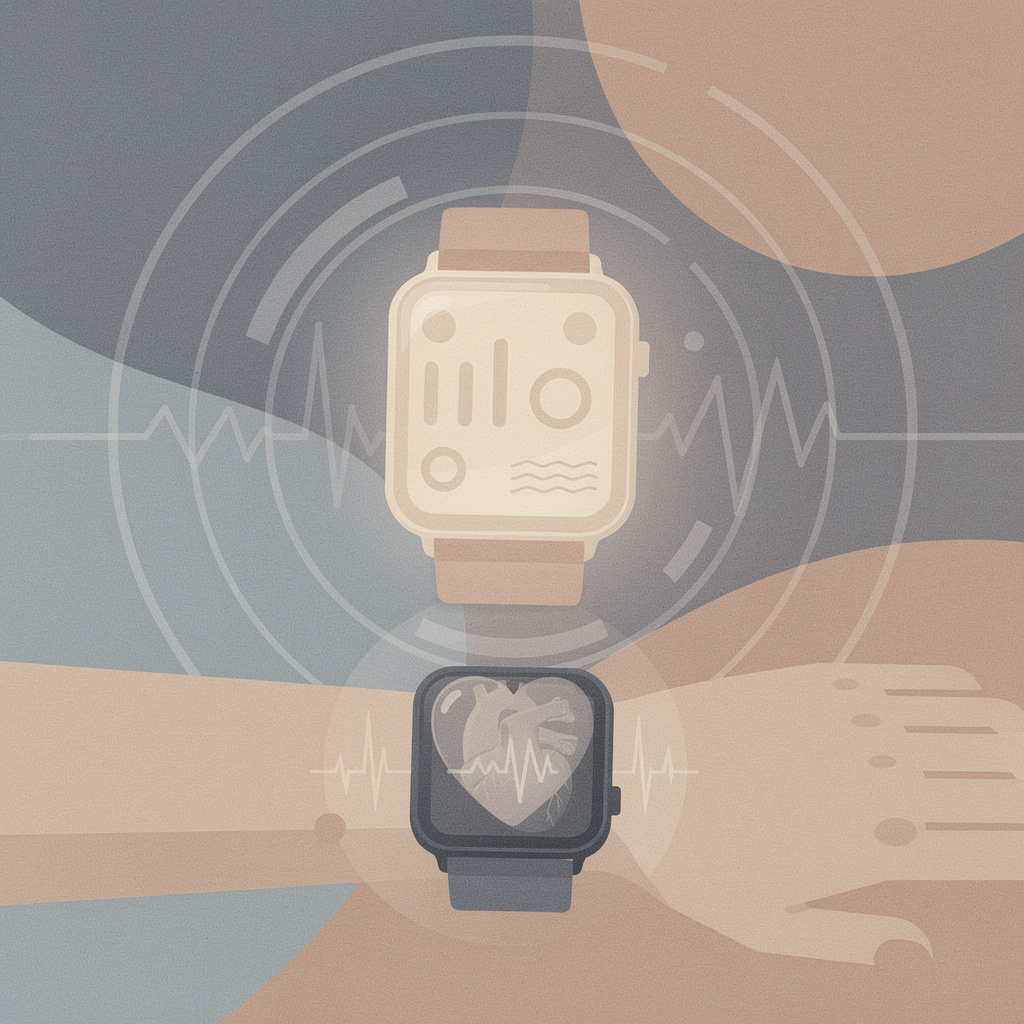
At its "Surprise and Shine" event, Apple introduced the Apple Watch Series 12, and the most consequential change isn't the design or the display — it's a rebuilt heart rate sensor, a new S11 chip, and a health stack that now reaches for something closer to a recovery coach than a step counter. Starting at $399, the device's "Health Sensing System" quietly reworks the foundation that every other Apple Watch feature — from workout tracking to sleep to ECG — depends on.
The headline hardware is the optical heart sensor. Apple has swapped in larger, more efficient green LEDs and paired them with a ring of photodiodes around the sensor, which the company says improves light capture. Alongside it sits a bigger electrode for ECG readings, giving the watch what Apple describes as its most accurate heart rate sensing ever in a wearable.
The physics here is worth unpacking, because it's where most of the real progress lives. A wrist-based optical sensor works by shining green light into the skin and measuring how much bounces back — blood absorbs green light, so the reflected signal pulses with each heartbeat. The quality of that measurement comes down to signal versus noise: how much of the scattered light you can collect, and how cleanly you can separate the pulse from everything else. More photodiodes arranged in a ring capture that scattered light from multiple angles at once, which strengthens the signal and makes the reading far more robust to the two things that routinely defeat wrist sensors — motion and darker skin tones. It's a textbook example of a spec that sounds incremental but compounds into noticeably more reliable data.
The larger ECG electrode is a quieter but equally meaningful upgrade. A single-lead ECG on the wrist depends on a solid electrical contact between skin and electrode, and that contact is exactly what degrades when you move, sweat, or simply have a smaller wrist. A bigger contact patch means a cleaner waveform and fewer dropped or noisy readings — which matters most for the irregular-rhythm detection that's arguably the Watch's single most medically significant feature.
The other half of the story is the Oura-like Readiness score. Apple is no longer just reporting what happened yesterday — it's trying to answer the question "how hard should I push today?" by synthesizing sleep, heart rate variability, resting heart rate, and activity into a single daily number. That's a meaningful philosophical shift for a product that spent its first decade optimizing for "close your rings" rather than "maybe take it easy."
Zoom out, and the Readiness score looks like Apple finally converging on the playbook that Oura, Whoop, and Garmin's Body Battery have been refining for years. The difference is scale and economics. A dedicated recovery tracker like the Oura Ring or a Whoop band typically asks for a monthly subscription on top of the hardware; the Apple Watch bundles the same class of insight into a $399 device with no required fee, sitting on a wrist base of hundreds of millions of users. That's a pricing structure the subscription-first competitors will feel.
There's also an under-appreciated compute story tucked into the S11 chip. A sensor that captures more light and a readiness engine that fuses multiple signals both generate more raw data, and processing that data on-device — rather than shipping it to the cloud — is exactly the kind of workload that demands a faster, more efficient system-on-chip. It's the same privacy-forward logic Apple has leaned on for years: the more sophisticated the sensing gets, the more work has to happen locally to keep that data on the wrist rather than on a server.
Look at the broader arc and the direction is unmistakable: wearables are graduating from counting to coaching. A pedometer tells you a number; a readiness score tells you what to do with it. Every major platform — Apple, Google, Samsung, Garmin — is now racing to be the thing you check in the morning before you decide whether to push through a hard workout or back off. The Series 12's hardware refresh is best understood as Apple spending its engineering budget on the sensors and silicon that make that kind of coaching trustworthy.
None of this means the Series 12 is flawless, or that a wrist sensor will match a chest strap or a clinical device. The accuracy claims are Apple's own, and the real test is whether the new sensor holds up across populations, skin tones, and activity types in independent validation — something that historically takes months of third-party testing. A readiness score, too, is only as good as the model underneath it, and those models earn trust slowly.
Still, the emphasis is telling. In a year when wearables increasingly compete on software and subscriptions, Apple is reinvesting in the unglamorous part of the stack — the sensor and the silicon — precisely because every layer above it depends on that foundation. More light captured, cleaner ECG contact, and a faster chip are the kinds of quiet upgrades that don't headline an event, but they're the ones that determine whether the features people actually rely on get better, or just get newer.
Sources: Apple Watch, Oura Ring, Whoop, and background on photoplethysmography for the optical-sensing physics.
Comments
Leave a Comment