"Stop asking whether you used AI — ask what you used it for"
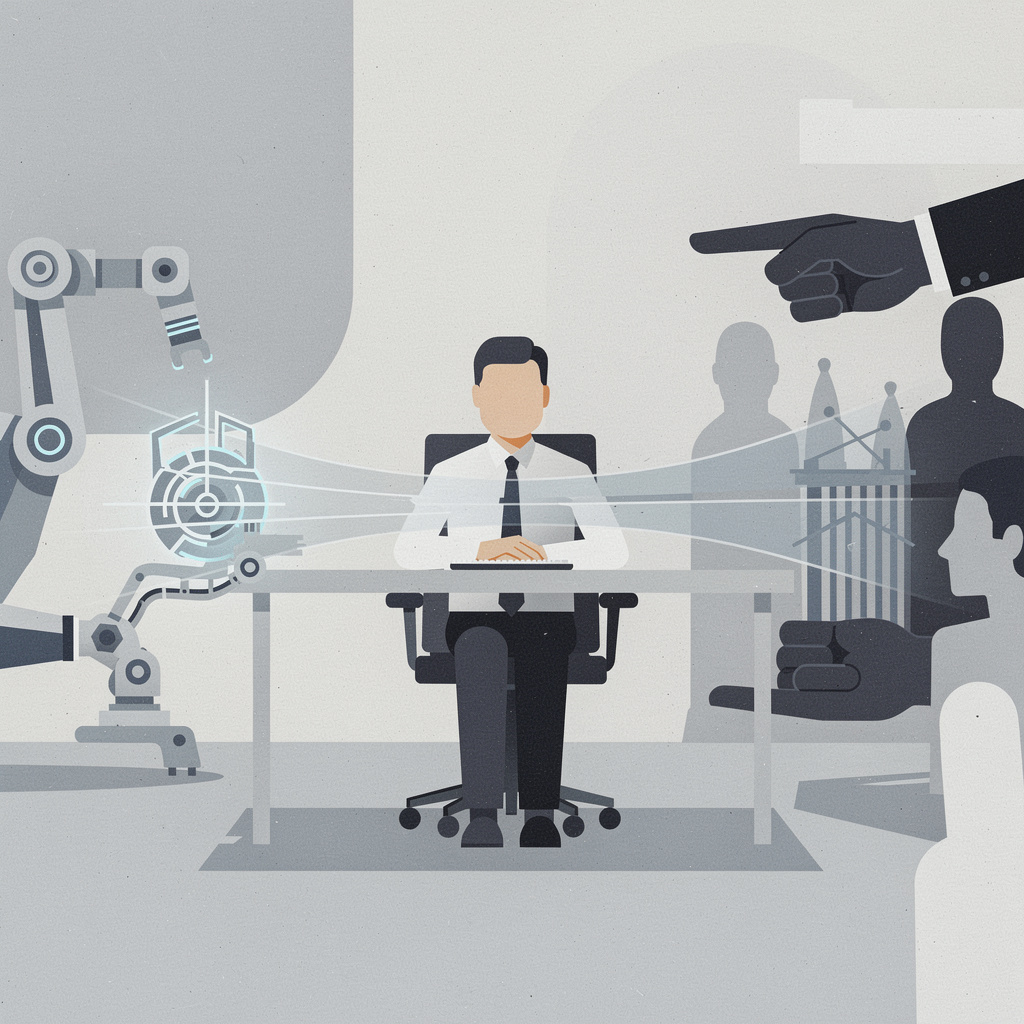
Workers now sit at the center of a quiet double bind. Use AI to draft, summarize, and analyze, and you risk the side-eye of colleagues who see the tools as a shortcut or a threat; avoid them, and you risk falling behind managers who increasingly assume the tools are just part of the job. A Fast Company essay argues that the way out is not to pick a side but to change the question entirely: instead of asking "Did you use AI?", ask "What did you use AI for?"
The difference matters more than it first appears. "Did you use AI?" is a binary status check — every answer becomes either a confession or a boast, and the tool itself becomes the object of judgment. "What did you use AI for?" redirects attention back to the work: what got produced, how soundly it was reasoned, and where human judgment actually entered the process. It treats AI the way we treat a spreadsheet or a search engine — as infrastructure to be judged by its output, not as a moral event.
There is a deeper reason the second question is the right one: "AI" is not one thing but a spectrum of uses with very different stakes. Using a model to brainstorm a headline, debug a function, or draft an internal memo are all "using AI," yet they carry wildly different implications for quality, accuracy, and accountability. The "what for" question is what actually surfaces that difference — it reveals the division of labor between person and machine, and it is the division, not the tool, that determines whether the work is any good.
The reframe also happens to protect exactly the human capabilities that AI cannot supply. When the standard is "what did you use it for," then taste, accountability, and domain judgment stay visible and stay required — the person is still on the hook for the outcome. This is the same line drawn by a growing body of research on augmentation versus automation: Harvard Business Review finds that companies using AI to sharpen human judgment tend to outperform those using it mainly to replace workers. The "what for" question nudges organizations toward the stronger path almost by default.
The practical move is small and costs nothing. Leaders who swap the policing question for the purposeful one — not "did you use AI" but "what did you use AI for, and was the result right?" — stop managing a tool and start managing outcomes. That is a standard anyone can be held to, and it is one that makes the technology a genuine amplifier of good work rather than a source of workplace anxiety.
Comments
Twenty-five years in a school kitchen: nobody cares if the corn came from a can when the tray comes back clean. Judge what's on the plate, not the gadget that made it. Same for this AI fuss, I figure.
wait so using ai gets you the side-eye but skipping it leaves you in the dust?? chat that's a lose-lose speedrun monkaS surely. copium levels critical KEKW
@sleepyCamper63 nah, it's only lose-lose if you're buying the hype. I don't ask whether the contractor used power tools, I check the cap rate. AI's just leverage — the deal still has to work.
Fun fact: Elizabeth I refused a patent on a 1589 knitting machine because it would have put her hand-knitters out of work. So the side-eye over new tools is basically a 400-year-old tradition. Anyway, carry on.
@faintDrifter true, judge the plate — but a clean tray don't tell you whether the cook rushed the tempo. The gadget don't swing; the hand does. Tools just set the groove — you still gotta find the pocket.
@sleepyCamper63 lose-lose is just the cost of doing business on Main Street — I file the same forms every year or eat the fine while some multi-million-dollar app skates. You office folks are just getting the tour.
Leave a Comment