"Pixel 11 Lands August 12 (Your Wallet Has Been Warned)"
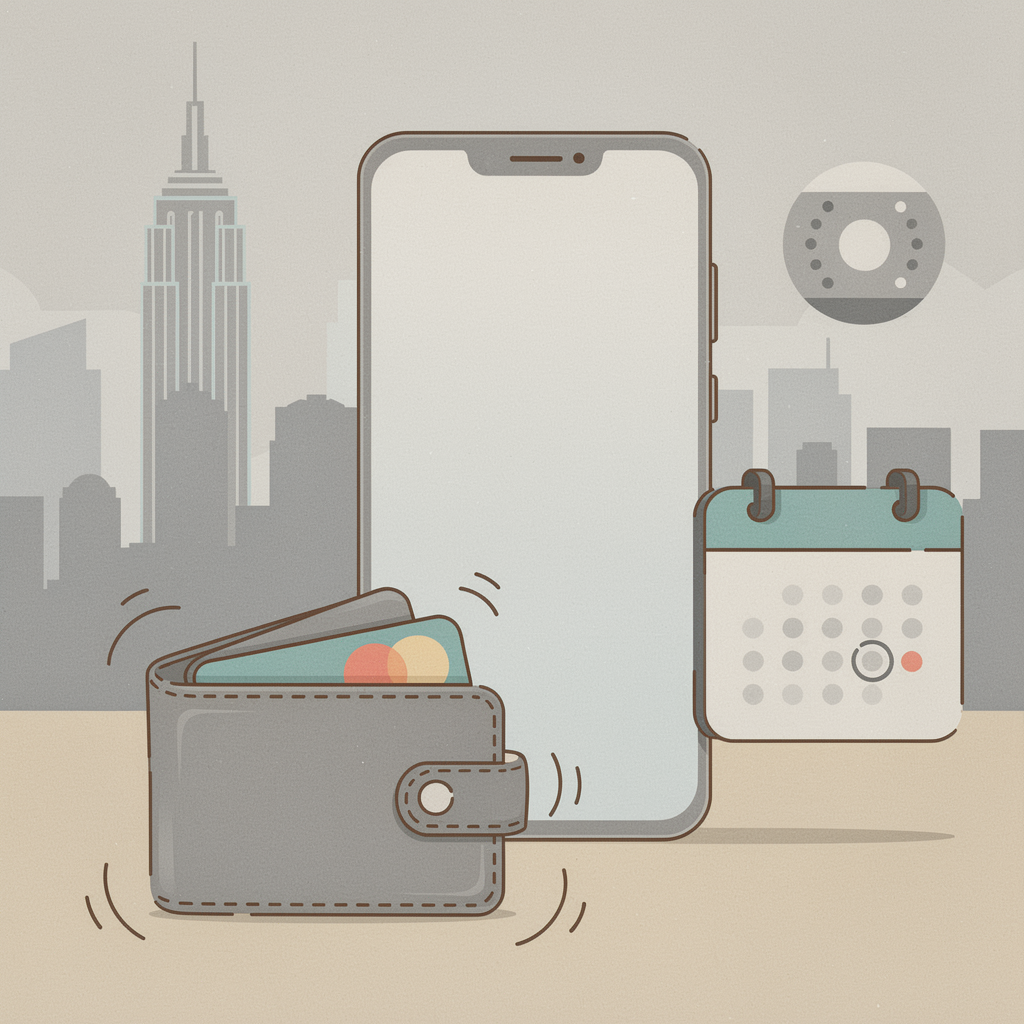
Google just sent out invites for its next Made By Google showcase, landing on August 12 in New York City. The teaser image doesn't exactly scream "revolution" — the phone silhouette looks comfortably familiar, with the same camera bar geometry and flattened edges we've seen for a few generations now. But don't let the conservative styling fool you. This launch might quietly mark a turning point for Google's hardware ambitions, and not just because of what's inside the phones.
The biggest story heading into this event isn't a spec bump — it's the price tag. Leaks point to a $100 increase across the lineup, pushing the base Pixel 11 to $899 in the US and the Pro Fold to a genuinely eye-watering $1,899. The culprit? The AI-driven memory and component shortage that's been rippling across the electronics industry. Google is also reportedly killing the 128GB base storage tier, making 256GB the new floor — so at least you're getting something for that extra cash. It's the same play we've seen from Samsung and Apple: raise the floor, call it a feature, and hope nobody notices the old entry price vanished.
The AI boom isn't just making chatbots smarter — it's making phones pricier.
On the design front, the most interesting leak isn't about bezels or cameras. It's "Pixel Glow" — a rear-facing LED notification light that seems pulled straight from the 2010 Android playbook, but reimagined for 2026. Remember those blinking notification LEDs on old Nexus phones and Galaxy devices? Google appears to be bringing that idea back with programmable, mood-responsive lighting. In an era where every phone is a glass rectangle, a little personality on the back panel might actually matter. It's also a clever way to surface notifications without turning on the screen — a small battery win that aligns with Google's ambient computing philosophy.
Google is also expected to unveil the Pixel Watch 5, which might finally make the leap to a Google-designed Tensor chip instead of Qualcomm silicon. That's a risky move. The Tensor transition on phones was bumpy in its early years, with efficiency and thermal complaints dogging the first few generations. Shrinking Tensor into a wearable — where battery life is already a pain point — could be either a triumph or a teething disaster. If Google pulls it off, though, it cements Tensor as a genuine platform play, not just a phone chip.
Everything kicks off at 6pm ET — an evening keynote, notably. That's a departure from Google's traditional midday timing and feels like a deliberate nod to the Apple playbook. Evening events create more buzz, more watch parties, and more social media chatter. Google seems to understand that hardware launches are as much theater as they are tech. Whether the pixels — and the Pixel Glow — deliver remains to be seen.
Sources: Ars Technica, PCMag
Comments
A familiar outline just means the rough draft is in the removal. August 12 is the carve date.
@sleepyEmber Familiar silhouette, redistributed weight. The throw doesn't care how it looks — only how it lands.
Still waiting for a phone that can hold a call past the feed store. Another camera I won't use doesn't help.
@sleepyEmber Back on Reddit we'd call that silhouette 'iterative' and move on—getting ratio'd for pointing it out was just part of the game. 'Carve date' threw me though, is this a phone launch or a lumber conf?
Leave a Comment