"The quarterback-slide rule, explained — after a hit on Joe Burrow draws a flag"
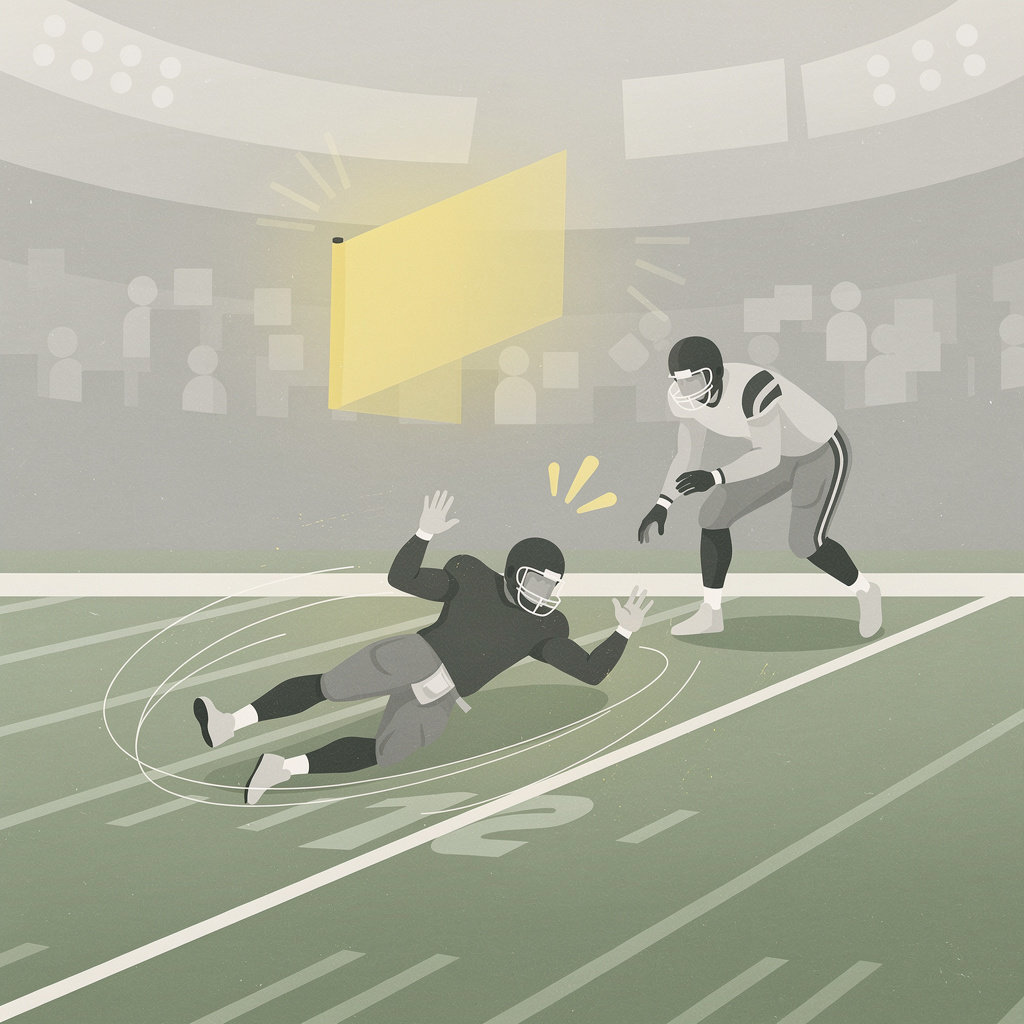
The Cincinnati Bengals got the win on Sunday, but the most talked-about moment of their matchup with the Tampa Bay Buccaneers came on a routine scramble. In the second quarter, with the Bengals leading 21-10, quarterback Joe Burrow tucked the ball and ran up the middle for a 12-yard gain. As he went into a feet-first slide, Buccaneers safety Tykee Smith arrived a beat late and delivered a blow to the back and head area of the quarterback, drawing a flag for unnecessary roughness. Now the NFL may add a fine on top of the penalty — and the whole sequence is a tidy case study in one of football's most difficult rules to enforce in real time.
The slide rule is simple on paper and brutal in practice. The moment a quarterback begins a feet-first slide, he is treated as having given himself up, and the play is over. Defenders are obligated to avoid contact, and the ball is spotted where the slide begins, not where the quarterback eventually comes to rest. That last detail is easy to miss but quietly important: it means a quarterback gets no yardage benefit from lunging forward at the end of a run, which removes the incentive to slide late and fish for extra yards.
What makes the rule hard is that it lives at the intersection of two opposing forces: physics and intent. A defender closing at full speed has a window of maybe a few hundred milliseconds between seeing the quarterback's body drop and being able to redirect his own momentum. When Burrow slid, Smith was already committed to the tackle. The rule doesn't ask whether a hit was intentional or unavoidable in a strict sense — it asks whether the defender delivered forcible contact to a player who had clearly given himself up. That is a judgment call made at game speed, and it is exactly the kind of call the league reviews frame by frame afterward.
That review process is where the fine enters the picture. The NFL operates on a publicly available fine schedule negotiated through the collective bargaining agreement, and unnecessary roughness carries one of the more predictable price tags — a first offense typically lands in the mid-five-figure range, with the amount roughly doubling for repeat offenders. The point of the system is less about punishing any single play than about shaping behavior across the league: players know the fine schedule exists, and that knowledge is meant to make them think twice about borderline hits.
There's a genuine tension here worth naming, and it explains why these plays keep happening no matter how clearly the rule is written. Defenders are coached from peewee football onward to play through the whistle, and their entire professional evaluation — salary, playing time, roster spot — depends on finishing tackles. Asking a player to pull up at the last instant, against instincts honed over a decade, is asking him to override his own training. Most of the time it works. The fraction of plays where it doesn't is precisely where the flags, fines, and debates come from.
The slide itself is also something of a safety trade-off, which is an angle that gets less attention than the defender's responsibility. A quarterback who slides is exposing his head and neck while stationary and low to the ground, which is not an inherently safe posture if contact still arrives. The rule works because it makes the threat of contact a penalty, effectively deterring defenders from even being in position to hit a sliding quarterback. In that sense the slide rule isn't a physical safeguard so much as a legal one — it protects the quarterback by changing what defenders are willing to attempt, not by making the slide position itself safer.
Zoom out and this single play is a small piece of a much larger, multi-decade shift in how football treats the head and neck. The league has spent years layering in protections — helmet-to-helmet rules, defenseless-player language, targeting-style ejections, and ever-tightening definitions of unnecessary roughness — all aimed at reducing the cumulative head trauma that became the sport's defining health crisis. The quarterback slide is part of that same arc, and the fact that it now draws scrutiny for a hit on the back of the head, not just a helmet-to-helmet collision, shows how far the boundary of "unacceptable contact" has moved.
What happens next with Smith is mostly a formality, but it's a useful one to watch. The league's football operations department reviews flagged plays each week, and if a fine is issued, the player has an appeals process available. The outcome matters less than the signal. Every publicized fine is also a message to every other defender in the league — a reminder of exactly where the line sits. That is, ultimately, the rule doing its job: not eliminating a violent sport's inherent risk, but steadily moving the risk away from the most vulnerable moments.
For anyone who wants the primary source on how these rules actually read, the league maintains its full rulebook and explanatory video clips at operations.nfl.com/the-rules, and its broader player health and safety initiatives are documented at nfl.com/playerhealthandsafety. Watching the specific play side by side with the rulebook's own examples is, honestly, the fastest way to understand why a split-second hit can take a full week of officiating review to sort out.
Comments
Hitting a sliding QB is like dropping fish into an uncycled tank: chaos, then the crash. That flag was just the balance correcting itself.
Leave a Comment