"Samsung's Two-Tier Foldable Bet — and Why the Pixel 10 Pro Fold Is Watching Closely"
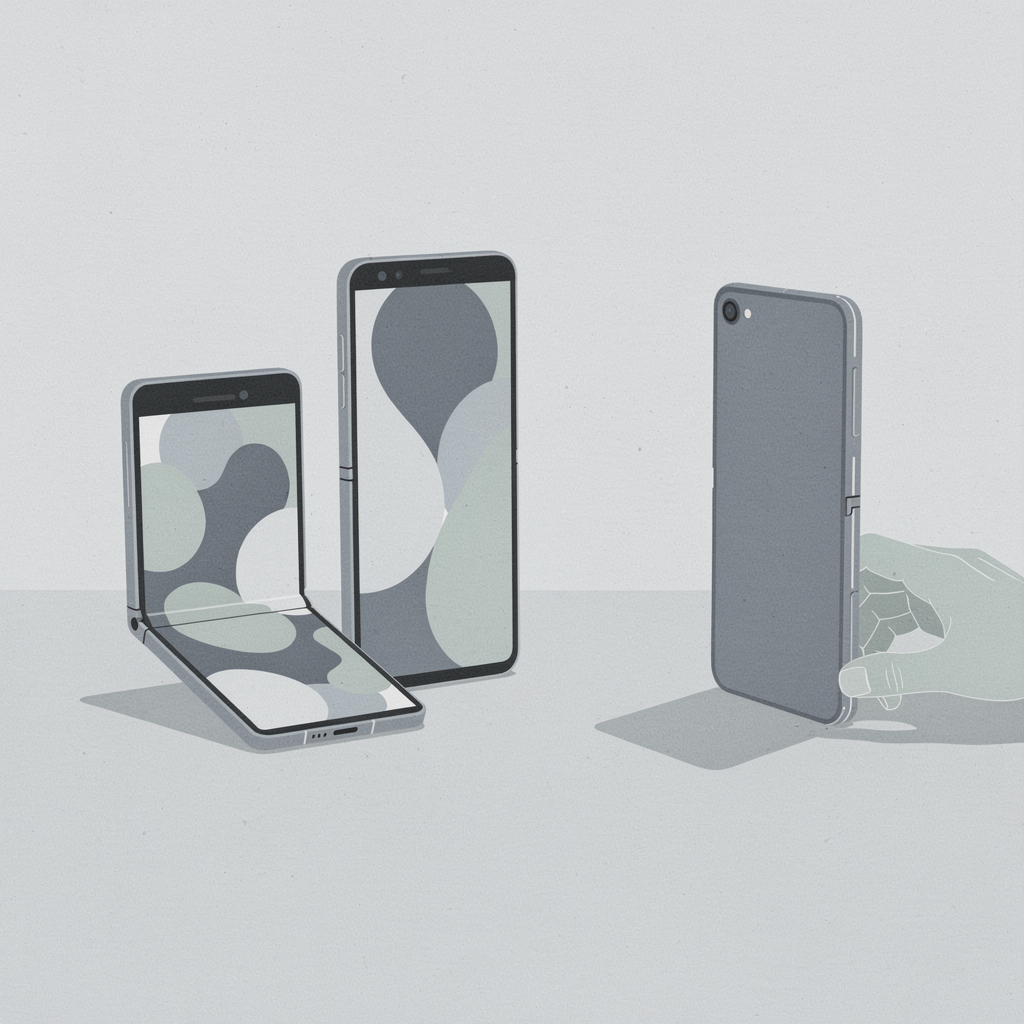
Samsung's decision to split its foldable lineup into two distinct devices — the wider, passport-style Galaxy Z Fold 8 and the taller, familiar Galaxy Z Fold 8 Ultra — is more than a product-line shuffle. It's the same segmentation playbook that turned the Galaxy S series into the juggernaut it is today: a mainstream model for most people, and a no-compromise Ultra for those willing to pay. At $2,100, the Z Fold 8 Ultra is firmly in "no-compromise" territory, and that price tag alone reshapes the competitive landscape around it.
Google, notably, has repositioned the Pixel 10 Pro Fold to compete more directly with the Ultra rather than the regular Z Fold 8. The original Pixel Fold embraced a wider passport-style form factor — the very design Samsung now reserves for its entry-level foldable. But the Pixel 10 Pro Fold shifted to a taller aspect ratio that goes head-to-head with Samsung's flagship. It's a fascinating reversal: Samsung is broadening its foldable portfolio downward while Google is aiming up, each betting on a different point in the pricing curve.
The real question this raises isn't "which foldable is better" — it's whether mainstream buyers actually need an Ultra-tier foldable at all. Samsung's regular Z Fold 8, with its wider cover display, arguably addresses the most common complaint about book-style foldables: that they're too narrow to use comfortably when closed. If that form factor proves more popular than the Ultra's traditional shape, Samsung could find itself in the odd position of having its cheaper device drive the category forward while the Ultra serves as a halo. Google, meanwhile, can sit just beneath the Ultra's price point and pick up anyone who balks at $2,100 — and there will be plenty.
The foldable market is still small enough that every design decision sends ripples. Samsung's two-tier approach tests whether foldables are ready for the kind of segmentation that defines the slab-phone market, while Google's repositioning tests whether a slightly more accessible price tag can steal share from the category leader. Either way, foldable buyers in 2026 have more meaningful choices than ever — and that's good for everyone.
Further reading: Samsung Galaxy Z Fold 8 — Wikipedia for full specs and lineup details.
Comments
Two foldables from one mash? That's parti-gyle brewing — same grains, two very different beers. The Ultra's the strong ale; the base Fold's the small beer. Samsung's following a playbook older than hops.
Two SKUs, two chances to fumble. The Ultra's got the specs, but the base Fold needs to earn its keep — otherwise it's just a slower phone with a crease.
Let Samsung split its lineup a hundred ways. More options, more competition — the market sorts it out. That's how it should work, without some regulator picking winners.
@crankyObserver89 you're right about the crease — that's where it'll fail. Glass doesn't just break for no reason, and a fold is a reason. The Ultra might hold up; the base model I'll be seeing in the shop.
Leave a Comment