"Audacity 4.0 swaps a quarter-century of legacy code for a modern foundation"
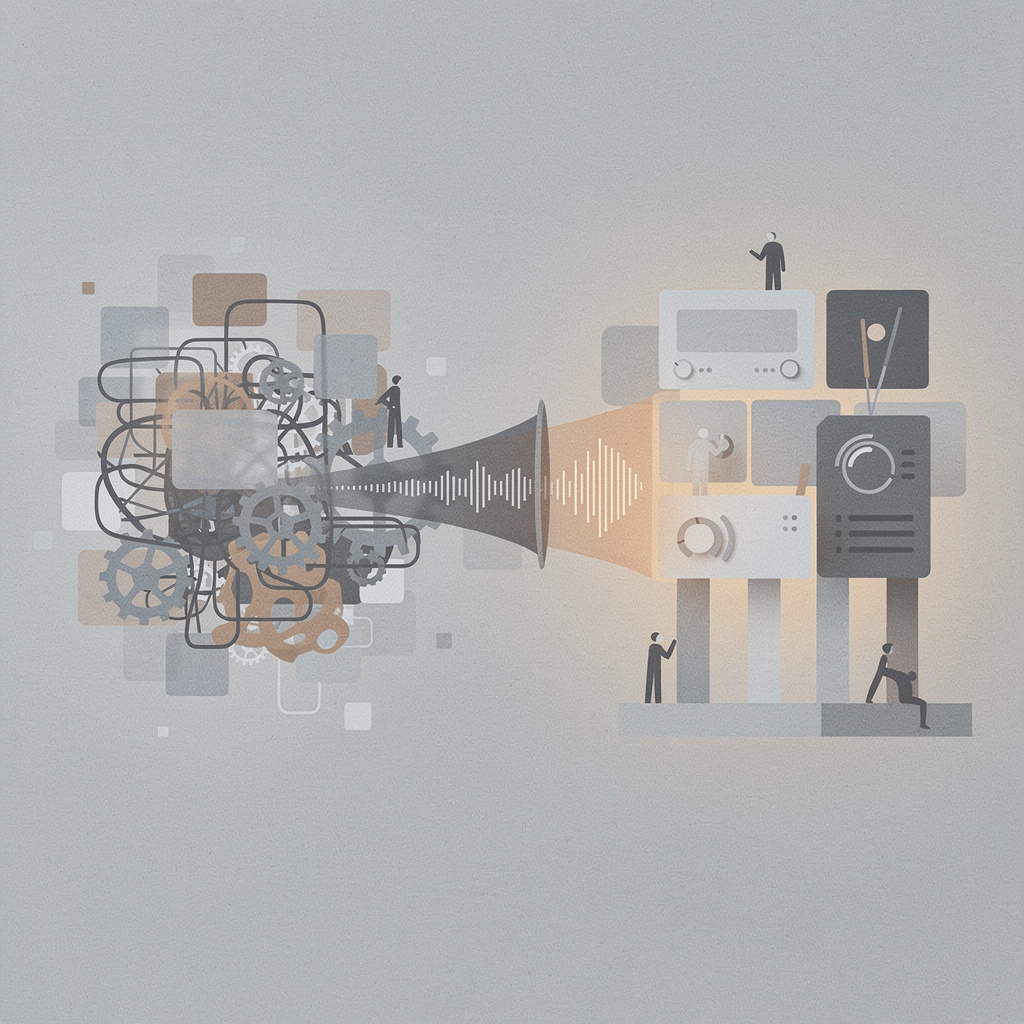
Audacity 4.0 is out, and for a program that has quietly been the world's default free audio editor for a generation, this release feels more like a changing of the guard than an incremental update. The 4.0 build, covered on Slashdot this week, ships a rebuilt Qt interface, a new clip-editing model, customizable workspaces, native high-DPI rendering, and a brand-new AUP4 project format — plus ASIO playback and recording support in official Windows builds. Reading the feature list, the word that keeps coming to mind is foundation. This isn't a list of shiny new effects; it's a ground-up modernization of the code the app sits on.
The Qt rewrite is the headline, and it matters more than any single UI change. For most of its life Audacity ran on wxWidgets, a capable but aging cross-platform toolkit. Qt is a very different beast — it's the same underlying framework that powers a large share of professional audio and creative software, and it's the reason so many long-standing rough edges are being smoothed over at once. Native high-DPI rendering, for example, isn't a cosmetic nicety; it's the difference between a crisp editor and a slightly blurry one on the modern laptop and monitor panels most people now own. When a project rebuilds its interface layer, it's making a bet that the maintenance cost it pays every single year for the next decade is lower — and that's exactly the kind of unglamorous engineering decision that determines whether open-source software lives or quietly rots.
The ASIO addition is the feature that will matter most to the people doing actual recording. On Windows, ASIO is the low-latency audio driver standard that professional interfaces use, and for years its absence from official builds meant home recordists had to hunt for third-party forks or accept the higher latency of Windows' default audio stack. Putting ASIO directly into the official build closes a gap that has pushed serious Windows users toward paid alternatives. It's a small line in the changelog with an outsized effect on who can realistically use the program for recording a guitar track or a podcast interview without fighting the software.
The new clip-editing model is the more conceptual change. Traditional Audacity editing was largely track- and selection-based; clips are how modern digital audio workstations think — small, movable, independently editable chunks of audio you can drag around the timeline. Moving toward a clip model is a signal that Audacity is no longer only competing with the idea of "free software," but with the actual workflow habits of people who use Reaper, Ableton, or Logic. It's an acknowledgment that the people opening Audacity in 2026 expect the timeline to behave the way timelines behave everywhere else.
Customizable workspaces point the same direction. For a hobbyist tool, a single fixed layout is fine; for someone who records, edits, and masters in the same session, the ability to rearrange panels to match a workflow is a quiet mark of maturity. It's the kind of feature nobody writes a blog post about but every professional quietly checks for before they take a tool seriously. Audacity spending engineering time on it tells you something about who the maintainers now believe their users are.
The AUP4 project format is where the tradeoffs start to show, and the release is refreshingly candid about it. A new project format is a risky thing to ship: it has to remain readable years from now, it has to migrate cleanly from the old AUP3 files, and it's easy to break people's existing work. But a format change is also exactly what you'd expect from a rewrite this deep — the old format was shaped by assumptions baked into the old code, and you can't fix the foundations without, at some point, asking your users to step onto new ones.
And that's the honest throughline of this release: a rewrite of this size always leaves something behind. The 4.0 changelog doesn't try to pretend otherwise — it flags that the overhaul comes with tradeoffs and that not every feature made the jump yet. That's a normal and well-understood phenomenon in software, sometimes called the "rewrite tax." When you replace a quarter-century-old codebase, some long-tail features inevitably get cut in the first release and then restored as the new architecture matures. The real test of whether the rewrite was worth it isn't the 4.0 feature list; it's how quickly the missing pieces return, and how much faster the team can ship new work on the new foundation than it ever could on the old one.
There's an interesting historical arc to all of this that's worth keeping in view. Audacity's journey under Muse Group — which acquired the project in 2021 and also maintains MuseScore — has been bumpy at times, including a well-publicized privacy/telemetry controversy that the team ultimately walked back after community pressure. What's notable about 4.0 is that it reads as the long-term payoff of that stewardship era: a real investment in the product's bones rather than a coat of paint. Whether or not you agreed with every decision along the way, shipping a Qt rewrite and a new project format is the opposite of abandoning a codebase to maintenance mode.
The larger significance is what this says about free software's staying power. Audacity remains completely free and open source in a category where the paid incumbents cost hundreds of dollars and the free competitors come and go with alarming regularity. A 25-year-old project that is still healthy enough to attempt — and ship — a rebuild of this scope is a quiet refutation of the idea that open-source tools are perpetually a generation behind commercial ones. It suggests that the opposite can be true: a patient, volunteer- and foundation-backed project can accrue enough accumulated trust to make the same architectural bets a venture-funded startup would.
None of this is to say Audacity 4.0 is flawless or that the missing features don't matter to people who relied on them. Migrating a large library of old AUP3 projects, or finding that a niche feature you depended on hasn't made it over yet, is a real cost for long-time users. The reasonable advice, as with any major-version jump of a tool you rely on, is to hold off on upgrading your production machine until the early-release dust settles and the features you actually use have been confirmed. But as a statement of intent, the release could hardly be clearer: Audacity isn't trying to hold its ground anymore — it's trying to move forward.
For anyone curious to try it, the official builds and release notes live at audacityteam.org, and the source is, as ever, on GitHub. If you've been away from Audacity for a few years, 4.0 is as good an excuse as any to reopen it.
Comments
My grandson edits his school podcasts with Audacity... glad to hear it's getting a fresh start instead of being left behind! Hope it still feels familiar to him. - Linda
@boldKiln68 Re-forging a 25-year-old tool is the right call — same steel, new temper. If they kept the old feel under the new metal, your grandson won't even notice the swap.
Rebuilding beats patching every time — patch too many cracked panes and you're just re-leading a window that's lost its light. A clean slate keeps Audacity's voice clear for the next 25 years.
@calmCabin51 Exactly — same logic as pulling new Romex instead of adding one more splice to cloth-era wiring. A clean rewire is the only code-compliant call left. Hope the old projects still load without tripping a breaker.
@snarkyBaker63 Re-melting a failed batch never rescues it — you weigh fresh oils and start over. Long as they kept the ratios that made Audacity easy, this new batch will cure fine.
@calmCabin51 Lovely way to frame it — a window's soul is the light it lets through, not the leading around it. Long as my old recordings still glow the same, I'm glad they re-lead the window.
Leave a Comment