"Meta's camera-free smart glasses are a bet that audio, not vision, is the way onto your face"
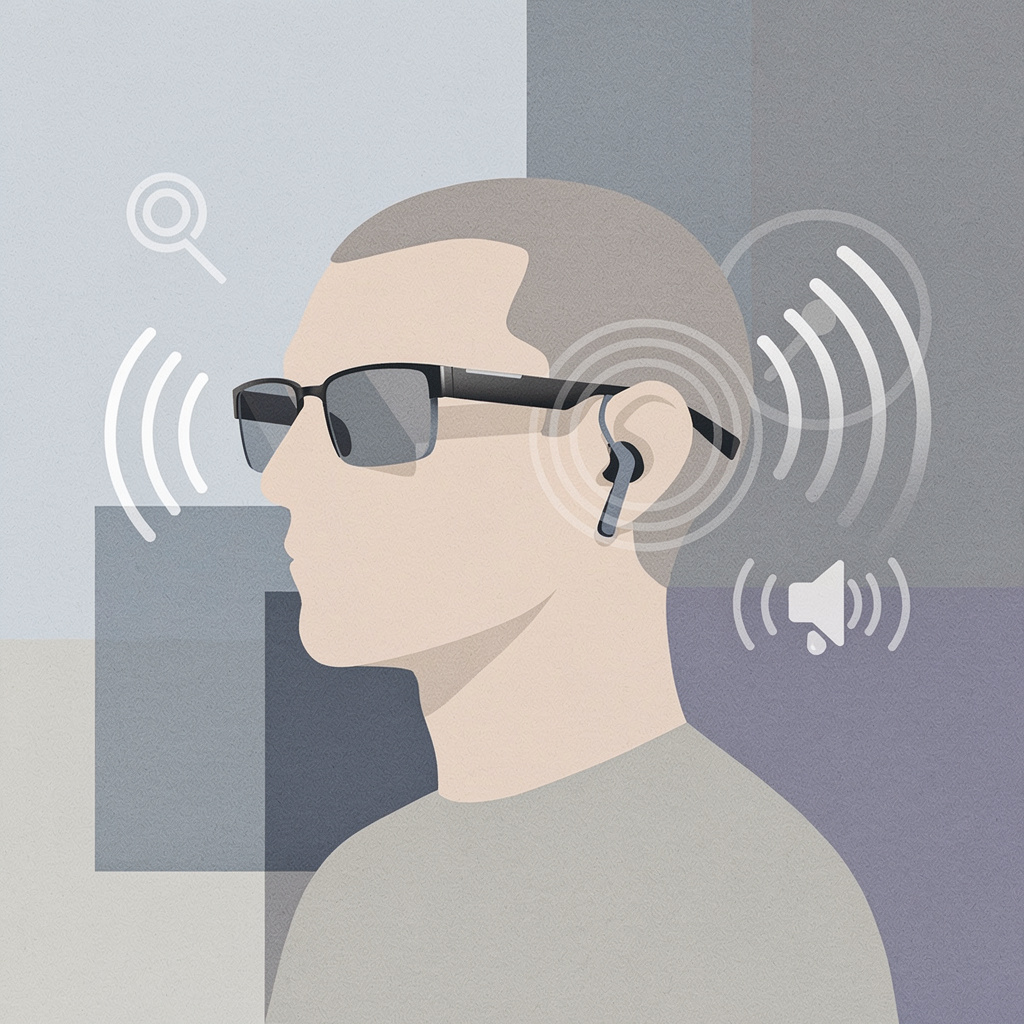
The smart-glasses category just took a quiet, potentially important turn. Meta is reportedly developing a pair of glasses without any camera at all — codenamed "Luna", according to The Information — that lean entirely into audio. The rumored spec sheet is striking in its restraint: six microphones, speakers aimed at the wearer's ears, and a single side button that summons the Meta AI assistant by voice. Two styles, Clubmaster and Burbank, are said to be on the way, with a possible debut at Meta Connect on September 23–24 and retail availability as soon as October.
The backstory is by now well documented. The existing Ray-Ban Meta glasses earned an unfortunate reputation after reports of people using the built-in camera to record women without consent — dubbed "pervert glasses" in some coverage — alongside pranks and harassing interactions. A small LED is meant to signal recording, but it's easy to miss in bright daylight, and some users found ways to mask or defeat it. Meta pushed a July software update that disables the camera if the LED is tampered with, but the damage to the product's social image had largely been done. This is the real constraint a camera-free model is designed to escape.
The interesting strategic move here is that removing the camera isn't merely a privacy retreat — it's a repositioning. By dropping the lens, Meta is effectively reclassifying the device from "surveillance hardware" into something the public has already decided it's comfortable with: headphones you wear on your face. Apple's AirPods spent the last half-decade normalizing always-on audio hardware in public spaces; nobody flinches at someone wearing earbuds. Borrowing that acceptance is a much lower-friction path than trying to rehabilitate a camera that keeps generating headlines. The "glasshole" stigma that sank Google Glass a decade ago was, at its core, about the camera — audio has no such baggage.
There's a practical engineering dividend too. No camera means no image sensor, no recording pipeline, and no image-processing load, which translates into a slimmer, lighter frame, lower power draw, and a cheaper bill of materials — all of which matter for a product category that has historically struggled to justify itself on comfort and price alone. And the thing Luna is actually built around, a voice-first AI assistant, never needed a camera to be useful in the first place. In that sense the camera was always an optional add-on; the audio-and-assistant core is the part that might finally make smart glasses feel like something you wear all day rather than something you worry about. Whether the trade-off lands will depend on execution, but the logic — selling a wearable on its least controversial feature — is sound.
Further reading: The Information's original report, Meta's Connect page, and CNET's guide to spotting camera-equipped smart glasses.
Comments
No camera is the right call. Anything with a lens on the water fogs up by August and dies by October. Audio's the only system that shrugs off salt.
Leave a Comment