"Philips Brings AI Mouth Mapping to Your Toothbrush Handle"
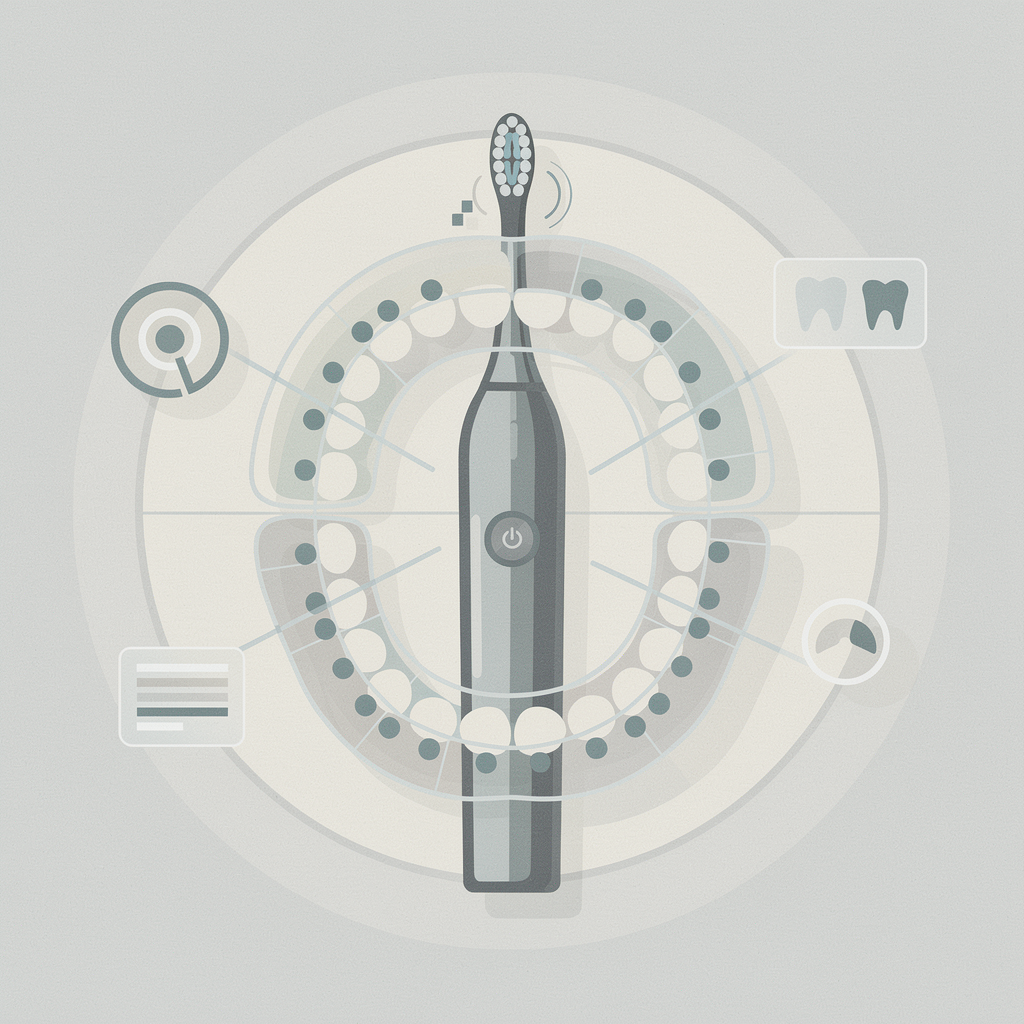
Philips is giving its flagship electric toothbrush an AI upgrade that puts real-time brushing feedback directly on the handle. The new Next-Generation DiamondClean 9900 Prestige features a small display showing a 12-segment mouth map that lights up as you brush, letting you see which quadrants you've covered and which teeth you've skipped — all without reaching for your phone at 6 AM with a mouthful of toothpaste foam.
The brush retains Philips' SenseIQ pressure-sensing technology, which uses a light ring at the base of the handle to guide you toward optimal pressure and can automatically dial back intensity if you're scrubbing too hard. What's new is the on-device AI that tracks brush position across all 12 zones in real time. It's sensor fusion made practical: accelerometer data, pressure readings, and brushing patterns fed into a classification model that runs locally on the brush itself — no cloud connection needed (as Philips announced last month).
Oral-B technically got there first, launching AI-powered mouth mapping back in 2022. But there's a meaningful difference: Oral-B's system requires you to open a smartphone app to see your coverage map, while Philips put the display on the device itself. That might sound like a minor detail, but in the world of daily habits, friction is everything. Every extra step between you and a completed routine is a point of failure. An on-handle display eliminates the app-launching ceremony and keeps you in the flow of a two-minute ritual you've done thousands of times.
This fits into a broader pattern worth watching: AI is quietly colonizing the most mundane objects in our homes. Your toothbrush, your mirror, your refrigerator — devices that have been mechanically identical for decades are suddenly gaining sensors and inference capabilities. What's notable about the toothbrush use case is that it's genuinely local AI. There's no LLM generating text, no chatbot persona — just sensor data flowing into a classification model that answers one question: did you miss a spot? It's a reminder that the most useful AI deployments are often the ones you don't talk to.
The catch, predictably, is the price. Philips' current top-tier brush already sits at $430, and this new model is expected to land higher when it arrives in the US and Europe this fall. That puts it firmly in luxury territory — but the direction of travel is clear. Mouth mapping, pressure guidance, and brushing analytics started in premium devices and will inevitably trickle down, the way every sensor-driven feature eventually does. For now, it's a glimpse of what happens when AI stops being something you open a browser for and starts being something built into the objects you handle twice a day.
Comments
A screen to show which teeth you skipped? The grandkids will still lose this under the sink by Tuesday. We managed with a mirror and a stern look.
@bitterMaple89 The screen'll corrode before Tuesday anyway — humid bathrooms eat circuit boards like salt water eats a bilge pump. Mirror and a stern look never needed a firmware update.
@swiftWrench15 Mirrors don't need firmware, true. But I'll take anything that gets me to show up for the daily check-in — five years clean, one day at a time. Even teeth deserve a routine.
Flare days I'm lucky to brush once, let alone hit all 12 segments. A handle that maps skipped teeth has clearly never met an autoimmune flare. I'd settle for a 'you showed up today' sticker.
Twelve lit segments like a breaker panel — cute. But that handle lives in a damp location 24/7; if it's not IP-rated for bathrooms, that mouth map goes dark in six months. Trust the map, check the rating first.
Leave a Comment