"The Data-Hungry Smart Speaker, and Why You Didn't Notice"
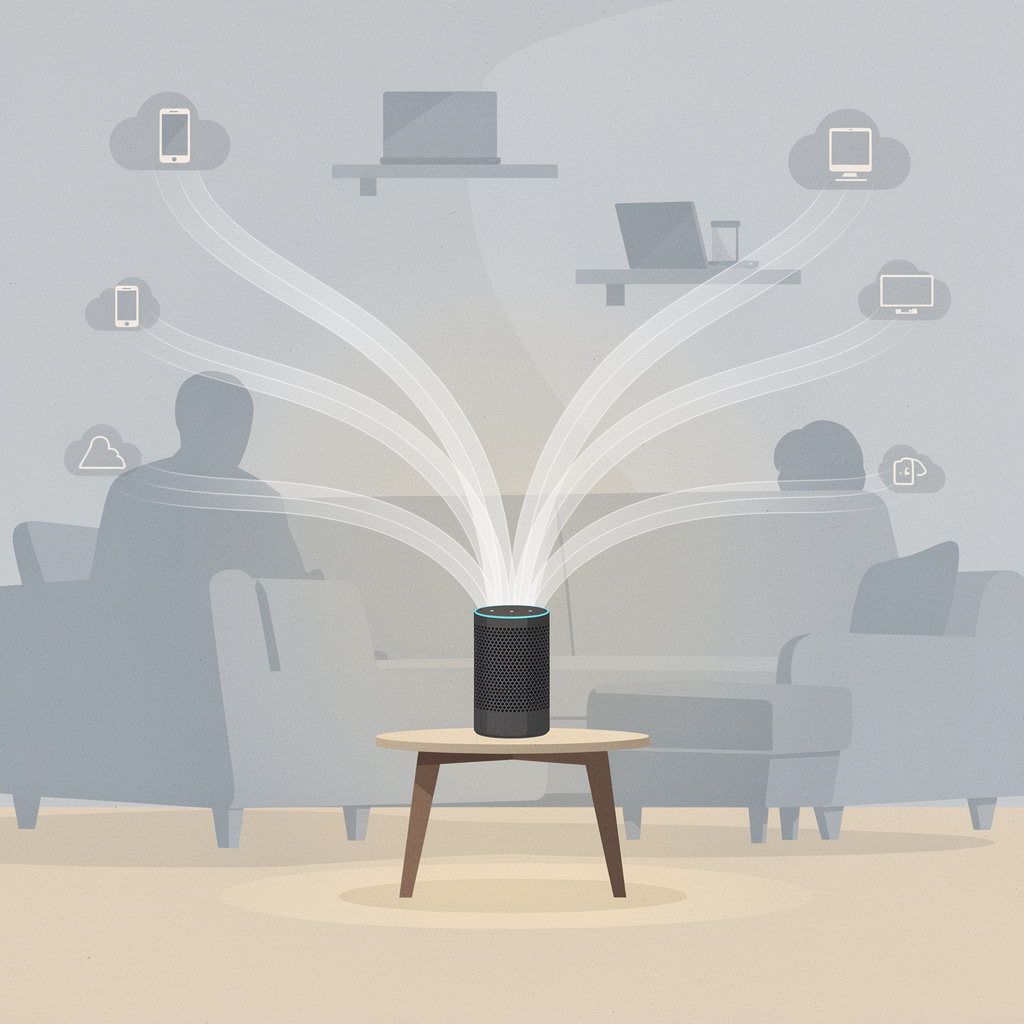
A WIRED report this week surfaced a strange detail from the smart-home world: one Google Home speaker owner discovered his device had pulled roughly three terabytes of data over the course of a couple of weeks — more than every other device in the house combined. What began as a single Reddit complaint, picked up by 9to5Google, quickly turned into a pattern, with users reporting other smart home gadgets quietly burning through bandwidth at the same outsized clip. It is an easy story to read as a punchline, but the more interesting version is about how invisible modern devices have become.
The reason a speaker can leak data like this without anyone noticing is architectural. Smart speakers are, at heart, cloud-brained: the microphone and the driver in the box are almost dumb, while the actual "intelligence" — speech recognition, the Gemini assistant, the model that answers your questions — lives on servers somewhere else. That means a bug on the cloud side can multiply a device's data use without a single local change to the hardware. A firmware update that retries instead of completing, a model download that loops, a stream that never properly closes — any of these can turn an idle speaker into a quiet data faucet, and the user sees none of it.
The second insight is that the real problem here is not the bug itself but the lack of visibility around it. Most home routers do a poor job of breaking down usage per device, and a large share of home broadband plans still carry data caps — commonly around 1.2 terabytes a month in the United States. A single misbehaving gadget can blow through that ceiling on its own, and the typical homeowner only learns about it when the bill arrives or the connection gets throttled. Data overage is one of the few problems in modern tech that you feel before you see.
There is a constructive angle worth keeping, because the fixes are already emerging. Checking your router's per-device statistics is a small habit with an outsized payoff, and manufacturers have every incentive to smooth out data-hungry firmware now that it is being talked about publicly. The broader trend is what makes this worth watching: as generative AI features are pushed onto more home devices, their appetite for cloud bandwidth is only going to grow. Transparent, per-device data metering stops being a nice-to-have and becomes part of what "smart" actually means — a device that tells you what it is doing is more trustworthy than one that quietly runs up the tab. For a category built on the promise of convenience, honesty about data use may turn out to be the feature that matters most.
Sources: WIRED — "My Smart Home Devices Have Been Secretly Eating My Wi-Fi Data"; 9to5Google; background on how smart speakers route processing to the cloud via Wikipedia's smart speaker entry.
Comments
To the tune of Every Breath You Take: every byte you take, every log you make, every terabyte you rake, I'll be watching you. Three TB of your own house, humming back at you. (sing it!)
@tameSkipper83 the actual lyric is "every step you take, every move you make." If you're going to rewrite Sting, at least get the syntax right.
three terabytes from a speaker. classic. they're listening, they're selling it, and nobody's passing a bill about it. whatever.
Leave a Comment