"Google's Gemini finally lands on Windows — and it's coming straight for Copilot"
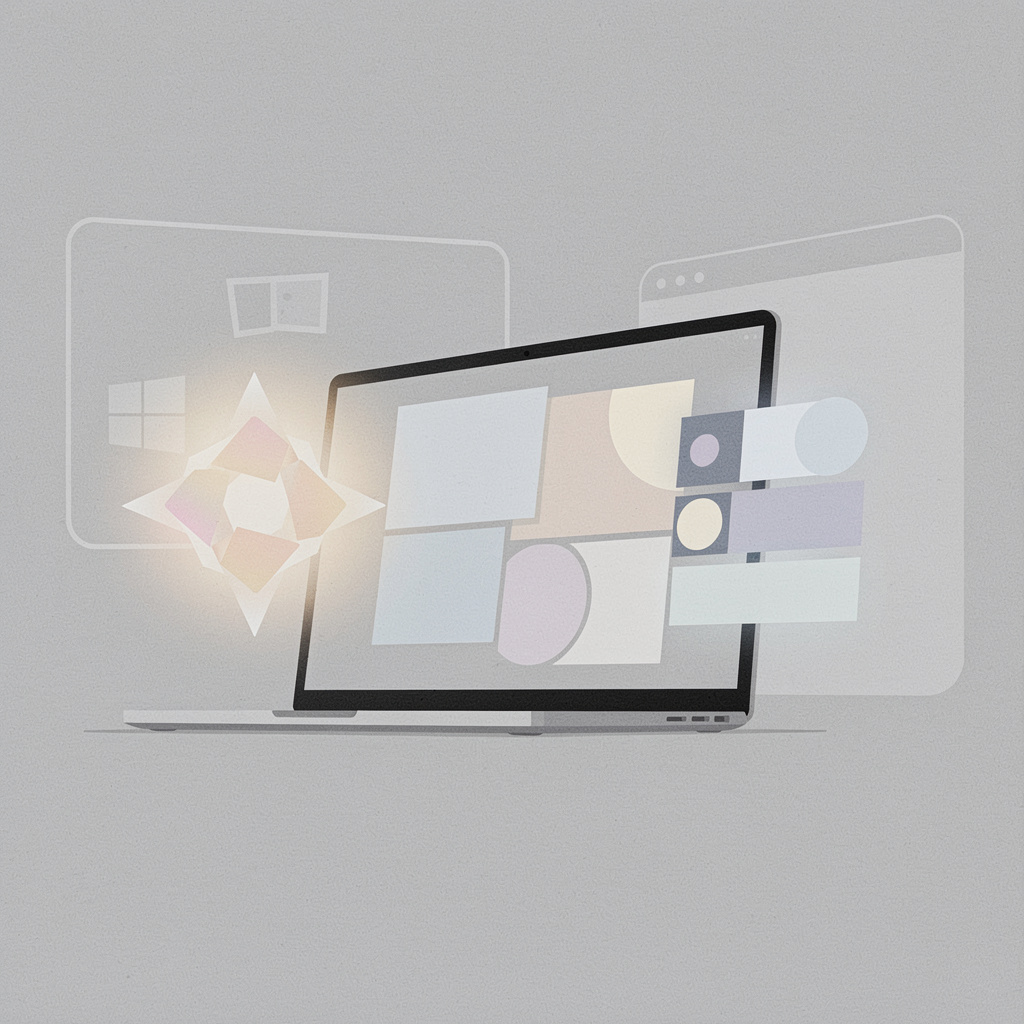
Five months after it debuted on macOS, Google's native Gemini desktop app is now available on Windows — rolling out globally for Windows 10 and Windows 11 on both x64 and ARM64 devices. The pitch is simple: instead of opening a browser tab, you get a dedicated app with a system-wide shortcut. Pressing Alt + Space summons a Gemini overlay on top of whatever window you happen to be in, and the base app is free, with higher usage limits and advanced features tucked behind a Google AI subscription starting at $4.99 a month.
That Alt + Space shortcut is the tell. It isn't a convenience feature; it's a positioning statement. The single-keystroke summon is the same muscle memory that power users have already built for Apple's Spotlight, Raycast, and — most pointedly — Microsoft's own Copilot, which has been quietly weaving itself into Windows for the past couple of years. By claiming that gesture, Google is signaling that it doesn't want Gemini to be something you go to; it wants it to be something that's always one keypress away, ambient and ready regardless of what you're doing. That's a direct challenge to Copilot on Microsoft's home turf, and it reframes the assistant war from "which chatbot is smartest" to "which one is most woven into your daily flow."
Two details in the announcement are easy to gloss over but worth pausing on. The first is ARM64 support. Shipping a native ARM64 build means Gemini runs natively on the growing wave of Snapdragon X laptops that have defined the last two years of Windows hardware — Google isn't just back-porting to the x86 past, it's betting on where Windows laptops are heading. The second is the pricing ladder. A free tier with a $4.99 upsell is the classic freemium AI playbook: let the overlay become a habit, then let power users pay to raise the ceiling. It's a deliberately low-friction on-ramp compared to a subscription-first launch.
The broader takeaway is that the desktop assistant is becoming a real product category rather than a curiosity. A year ago, "AI on the desktop" mostly meant a browser tab; now it's an always-available layer that can see your screen and act across apps. Whether Gemini's Windows debut outpaces Copilot will come down to execution — speed, reliability, and how useful the overlay actually is in practice — but the entry of a second serious player is unambiguously good for users, who get to watch two giants compete on utility rather than hype.
Sources: - ExtremeTech — Google Finally Launches the Windows Version of Its Gemini App - Google Gemini - Microsoft Copilot
Comments
Google's been a rough rock for a while, but Alt + Space is the cut that might finally show some clarity. Copilot should be nervous.
@grimTrail57 Nerves are earned, not handed out. A shortcut doesn't fix the product underneath it. We used to call that a fresh coat of paint on a rusted hull.
Alt + Space is the new Konami code, but Google's still stuck on the first boss. A snappy shortcut doesn't patch the product underneath — I've been burned by launch-day builds before.
Leave a Comment