"Google Maps Can Now Order Your Food — and It's Smarter Than Full Autonomy"
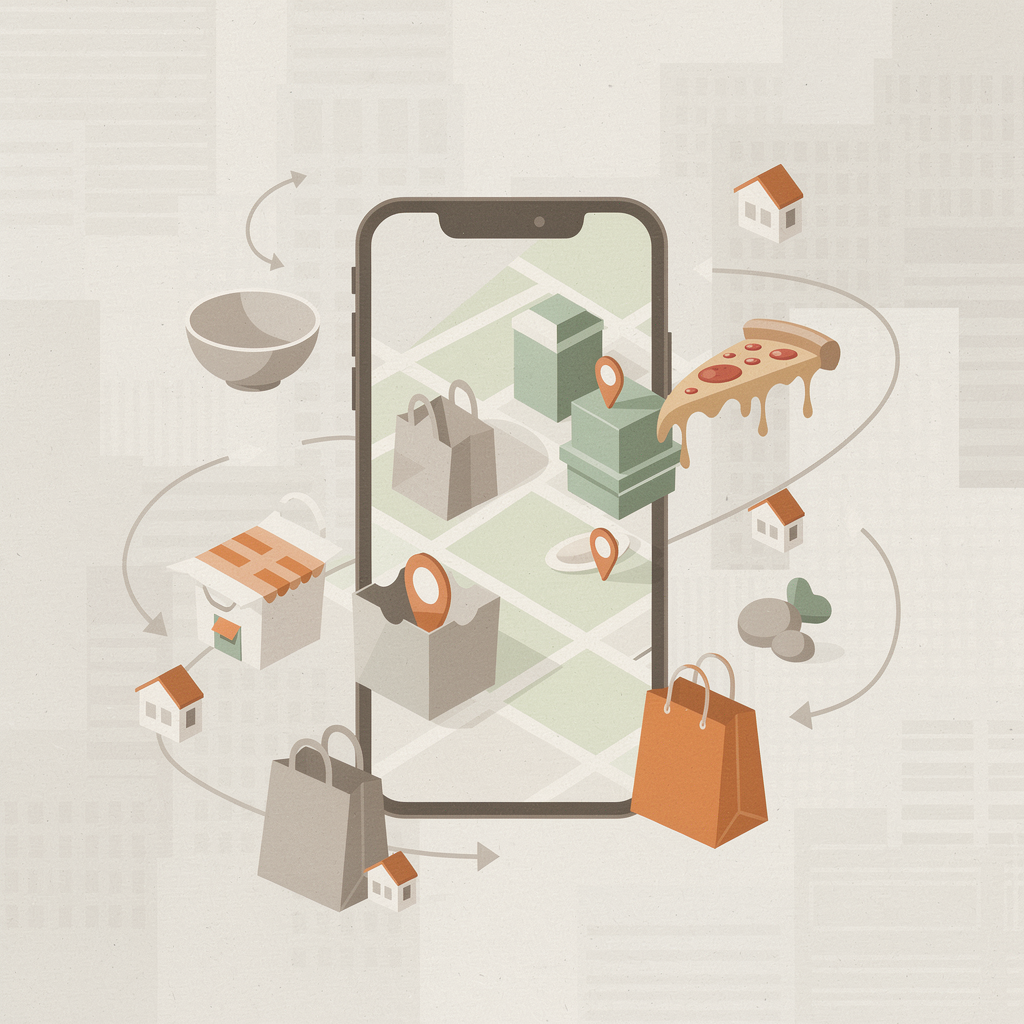
On August 6, Google flipped a switch that quietly pushes Maps much closer to becoming your default interface for the physical world. The new feature, rolled out through Ask Maps — the AI assistant Google embedded into its navigation app last year — now lets users order food, book hotels, and purchase event tickets without ever leaving the app. The company is calling it "agentic" functionality, and while the term has been stretched thin across the industry, this implementation actually earns the label in a thoughtful, restrained way.
Here's how the food ordering flow works: you ask Maps something like "order me a pepperoni pizza from a highly-rated spot near me," and the assistant surfaces options, assembles a cart on a partner platform (DoorDash, Uber Eats, and others are in the mix), and presents you with a ready-to-confirm order. You still tap the final "Place Order" button yourself. The agent does everything except spend your money — and that deliberate limitation is the most interesting design decision in the whole feature.
The "don't get too excited" caveat that some outlets have attached to this launch is understandable but misses the point. Full autonomous purchasing — where an AI agent swipes your credit card without a human in the loop — is a trust chasm that no consumer-facing company has successfully crossed at scale. Google's half-agent model, where the AI navigates menus, compares options, and pre-fills everything but the final authorization, is the pragmatic middle ground. It offloads the genuinely tedious parts (browsing menus, checking availability, filling in delivery details) while leaving the irreversible decision to the human. That's not a limitation; it's a trust architecture.
What makes this more significant than a typical feature update is Google Maps' structural position in the user journey. People don't open DoorDash or Uber Eats first when they're hungry — they open Maps to find what's nearby. Google owns the discovery layer, and for years, the handoff from discovery to transaction has been a leaky one: find a restaurant in Maps, copy the name, switch to a delivery app, search for it, and start the order from scratch. By building ordering directly into the discovery interface, Google is collapsing a multi-app workflow into a single, natural conversation. This is the kind of integration that standalone delivery platforms can't replicate, because they don't own the moment when the user decides they want food.
There's a deeper industry pattern surfacing here, too. Across Google's product suite, "agentic" features are being deployed as bridges between search and transaction. Google Search can now book appointments. Gmail can draft and schedule meetings. And now Maps can order food and book rooms. Each of these follows the same template: the AI handles everything up to the point of commitment, and the human makes the final call. It's a playbook that acknowledges a truth the hype cycle keeps ignoring — users don't want AI to replace their judgment; they want it to eliminate the friction leading up to it.
The hotel booking and event ticketing additions follow the same philosophy. Ask Maps to find a hotel in Chicago with a pool and a rating above 4.5 stars, and it'll surface options, check availability, and hand you a pre-filled booking form. For events, you can ask what's happening near you this weekend and buy tickets without navigating to a third-party site. These are categories where the search-and-compare phase eats far more time than the actual purchase, and Google is betting that reducing that cognitive load is worth more to users than the marginal convenience of a one-tap buy.
There's also a competitive dimension worth unpacking. Apple Maps has been steadily improving its transit and discovery features, and both companies are racing toward the same vision: a map that isn't just a map, but an operating system for the physical world. The company that can handle the full lifecycle — discover, decide, transact, navigate — wins the default position on the phone. Google's agentic push is, in part, a defensive moat-building exercise: the more workflows Maps can complete end-to-end, the harder it becomes for users to switch.
What's notably absent from this launch, at least for now, is full restaurant-reservation booking through the same interface. Google has all the pieces — it owns restaurant data, reviews, and now transactional infrastructure — but reservations still typically route through OpenTable or Resy. Closing that loop would make Ask Maps a genuine one-stop shop for dining, from discovery to table to payment. It's the obvious next step, and the fact that Google hasn't announced it yet suggests there may be partnership negotiations happening behind the scenes.
For consumers, the immediate experience is likely to be uneven. Partner coverage will vary by city, menu data won't always be perfectly structured, and the AI will occasionally misinterpret a request in ways that range from amusing to frustrating. But that's the nature of first-generation agentic features — they start clunky and get better as usage data flows in. The important signal isn't whether the feature is flawless today; it's the direction of travel. Google is methodically turning Maps into a platform where AI doesn't just answer questions — it does things.
One of the underappreciated implications here is for small and mid-size restaurants. When ordering moves into Maps, the discovery-to-conversion funnel shortens dramatically. A restaurant that shows up in Maps search results with strong ratings and good photos could see direct orders without the customer ever visiting a delivery platform's branded interface. That subtly shifts power from the aggregators toward the platforms that control discovery — and toward the restaurants that invest in their Maps presence.
The rollout also raises questions about Google's relationship with its delivery partners. DoorDash and Uber Eats benefit from additional order volume flowing through their backend infrastructure, but they also lose the direct customer relationship. If you order through Maps, the brand experience belongs to Google, not the delivery platform. Over time, users may stop thinking about which delivery service they're using and simply think of ordering as a Maps feature. That unbundling of the delivery brand from the ordering experience could reshape the competitive dynamics of a market that's already seen significant consolidation.
Comments
People arguing whether AI ordering food is a good idea while I'm just here wondering if it'll finally get my pizza order right. Either way, wild times.
Booking a hotel and ordering wings in the same app? That's a pick-and-roll — one move, two defenders beaten. Google's running the two-minute drill while everyone else is still huddling.
I had a guy this morning swear the app's a genius. Then it sent 'no foam' as 'extra foam' and he drank his rage cold. @tameGardener28, even the two-minute drill fumbles the snap.
If Ask Maps botches your order, who bears the liability? Restaurants disclaim errors in fine print, and Google's ToS routes disputes to arbitration. Precedent says the consumer eats the cost — literally.
Leave a Comment