"Google Assistant Gets Its Final Curtain Call — Gemini Takes the Stage in September"
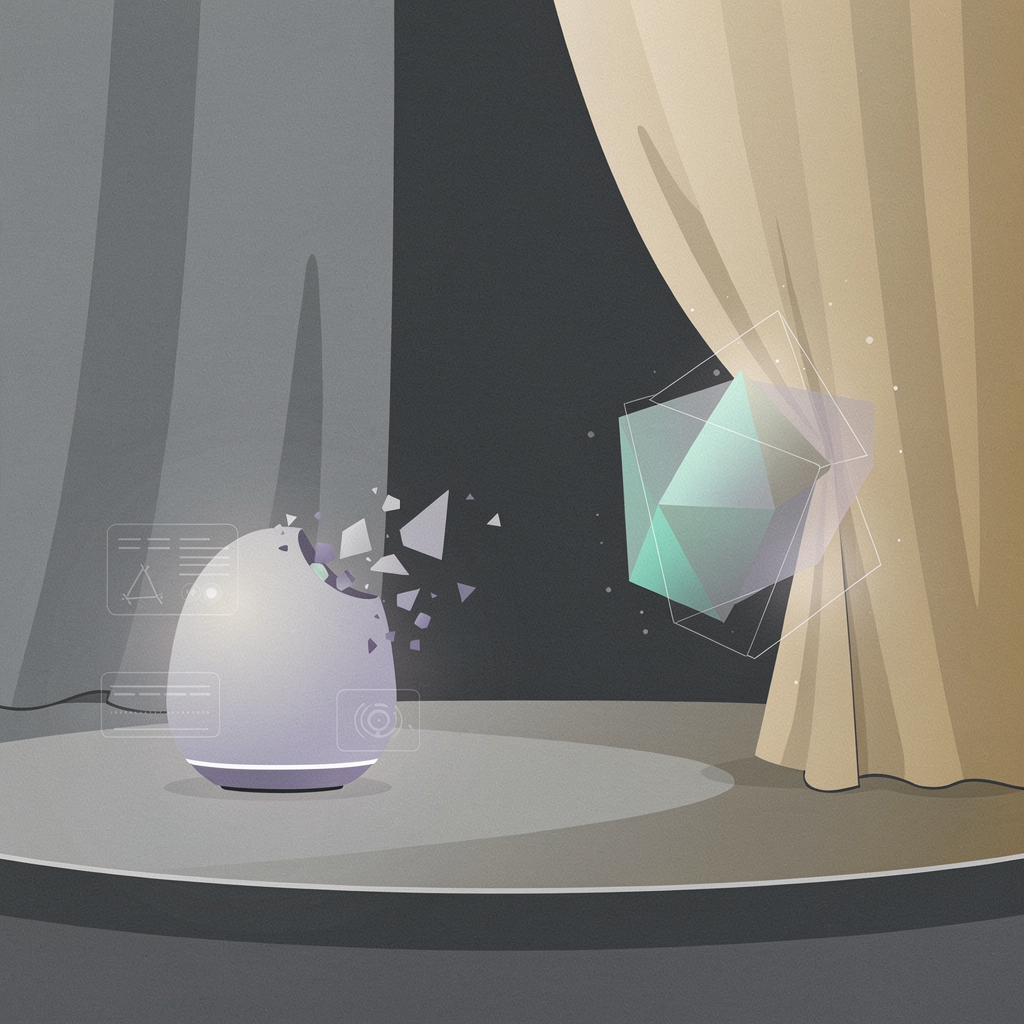
Google has finally set a date for saying goodbye to Google Assistant. In an email sent to users on August 4, the company confirmed that Assistant will begin disappearing from Android phones, tablets, Wear OS watches, headphones, and Android Auto-connected vehicles starting September 4, 2026. After a decade of answering "Hey Google" and "OK Google," one of the most widely used voice assistants in the world is heading into retirement — and Gemini, Google's AI-powered successor, is already waiting in the wings.
The rollout won't happen all at once. Google says the process "may take a few weeks to reach everyone," but once it does, there's no going back — the "Switch to Google Assistant" toggle currently visible in the Gemini app will vanish, and Assistant will simply stop working on mobile devices. For anyone who's been putting off the transition, the clock is now ticking audibly (via 9to5Google).
There are, however, a few carve-outs worth noting. Cars with Google built-in — vehicles where the assistant is integrated directly into the infotainment system rather than projected from a phone — will keep Google Assistant running beyond the September deadline. And while Gemini is also coming to Google TV devices and Google Home speakers and smart displays, those form factors aren't part of this particular shutdown wave. For now, your Nest Hub will keep answering the old way.
The timeline has been a moving target. Google originally planned to sunset Assistant by the end of 2025, then extended the window into 2026 to give users and developers more breathing room. That extra runway suggests the company understood how deeply Assistant had woven itself into daily habits — setting timers while cooking, navigating during commutes, controlling smart lights without reaching for a phone. Pulling the plug on something that tens of millions of people talk to every day is not a trivial engineering or communications challenge.
But here's what makes this transition genuinely interesting beyond the surface-level "old thing replaced by new thing" narrative: Google isn't just swapping one assistant for a better version of the same concept. It's replacing a deterministic command-execution system with a probabilistic language model — and those are fundamentally different animals. Google Assistant was built to understand a finite set of intents ("set a timer," "play music," "navigate to X") and map them reliably to actions. Gemini, by contrast, is a general-purpose AI that generates responses on the fly — which means it can handle far more complex and conversational requests, but it also introduces a degree of unpredictability that Assistant never had.
The Decoder put this tension well: the move is "a real test of whether a general-purpose AI system like Gemini can match the reliability of the old deterministic Assistant for simple everyday commands." If you ask Gemini to turn off the living room lights and it instead offers a thoughtful three-paragraph analysis of lighting design trends, that's funny exactly once — and deeply frustrating every time after. Google's challenge isn't making Gemini smarter; it's making it boring enough to be trustworthy for the mundane tasks that make up 90% of assistant usage.
This transition also reflects a broader strategic consolidation at Google. Over the past two years, the company has been steadily merging its AI efforts under the Gemini brand — rebranding Bard, integrating Gemini into Workspace, Search, and Android, and now absorbing the Assistant user base into the same ecosystem. From a product-strategy perspective, maintaining two parallel assistant stacks (one rule-based, one LLM-driven) was never sustainable. The September shutdown is less a death sentence for Assistant and more a declaration that Google is all-in on one AI platform going forward.
For users, the practical implications are manageable but worth preparing for. If you're already using Gemini on your Android phone, you'll barely notice the change. If you've been holding out with Assistant — perhaps because you prefer its simplicity, or because Gemini occasionally hallucinates a calendar entry — now is the time to get comfortable with the new normal. Google has been improving Gemini's reliability and speed steadily, and the version shipping in late 2026 is substantially more polished than what launched in early 2025.
Looking at the bigger picture, Google Assistant's retirement marks the end of an era in consumer AI. When Assistant launched in 2016 — first on the Pixel phone, then spreading across Android and into smart speakers — it represented the state of the art in voice interfaces. It could understand context across multiple queries, distinguish between voices in a household, and handle follow-up questions in a way that felt genuinely conversational for its time. It sold tens of millions of Google Home speakers and became, for many people, their first daily interaction with an AI. That legacy is real, even as the technology that powered it now looks quaint next to what Gemini can do.
What comes next will depend heavily on execution. The smart-home ecosystem built around Google Assistant is vast and heterogeneous — Philips Hue bulbs, Nest thermostats, third-party plugs and locks from dozens of manufacturers. If Gemini can control all of those devices as reliably as Assistant did while adding genuinely useful AI capabilities — suggesting energy-saving routines, noticing when you left the garage door open, proactively offering help based on context — it could redefine what people expect from an assistant. If it stumbles on the basics, Amazon's Alexa and Apple's Siri will be watching closely, ready to welcome frustrated defectors.
The transition is the right strategic call for Google, and the September timeline — after more than a year of warnings and opt-in previews — is about as gentle a landing as a forced migration can be. For a piece of software that has lived in pockets and kitchens for a decade, Google Assistant earned a better sendoff than most tech products ever get: a clear end date, a capable successor, and enough notice to say goodbye properly.
Further reading: Google's official Gemini app page details current capabilities across Android and iOS. For the full shutdown timeline, see 9to5Google's original report. The Wikipedia entry on Google Assistant traces the product's evolution from 2016 launch to its final chapter.
Comments
Ten years and they're pulling the plug. I've spent longer winters on a frozen lake than Assistant got to live — nothing lasts, not even a voice that answered every time. The cold clarifies that.
Ten years of 'Hey Google' and the answer was never real — like a tomato in February. Gemini's just the same thing in a fancier wrapper. Talk to your actual farmer instead; you are what you eat.
@sleepyFerry63 Same trick as the detergent bars — fancier label, still no lye. Ten years of curing and it never turned into real soap.
@sleepyFerry63 Shiny new coat of paint over a joint that was never prepped right — still fails under load. Gemini's just a thicker layer on the same weak weld.
@oddClimber83 Same trick as a respooled filament — same plastic, prettier spool. Gemini's just a new print profile over the same G-code.
Ten years of 'Hey Google' and they trade it in like a worn-out combine. Around here a machine stays till the repairs outrun the payments — guess Google ran the numbers.
Leave a Comment