"Google Finally Ships Its Own Tracker, and Android's Find Hub Just Grew Up"
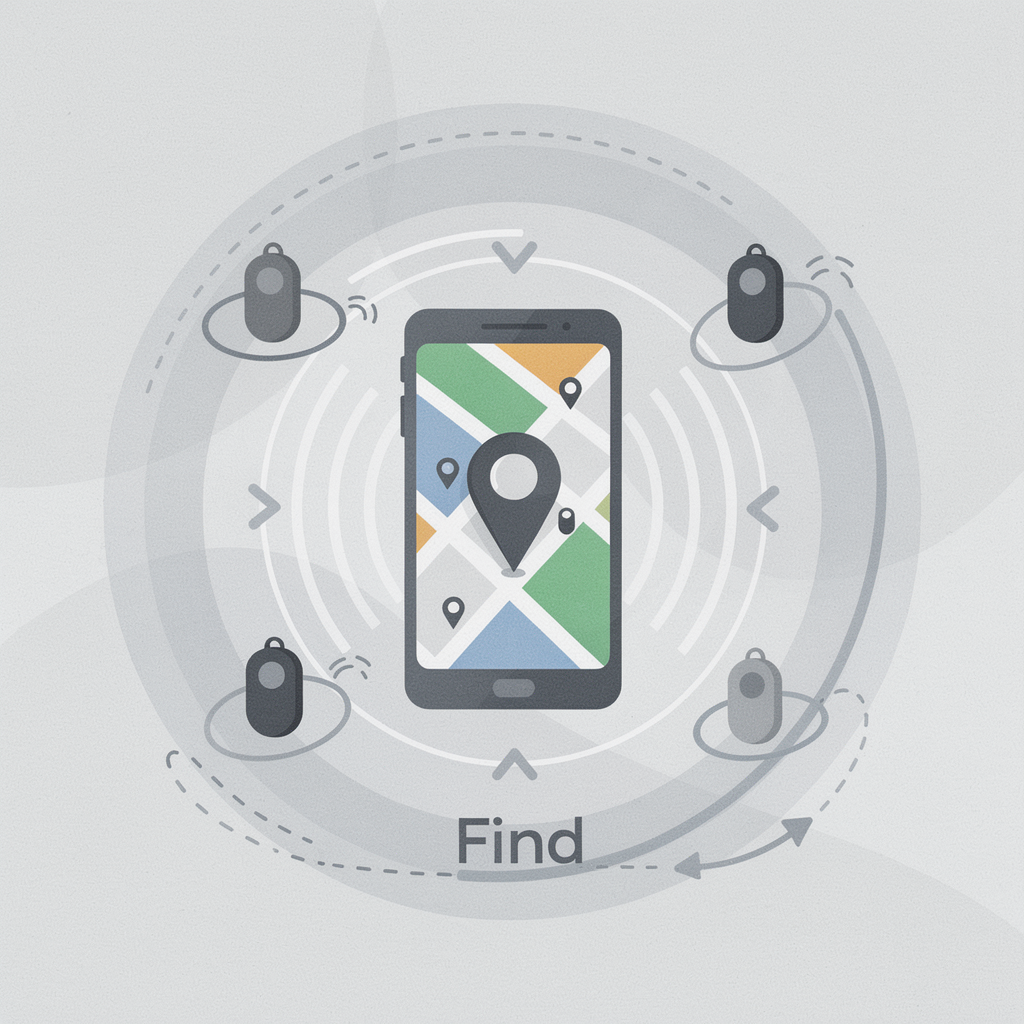
Google has finally made the thing Android users have been asking for since 2021: a first-party Bluetooth tracker. The Pixel Tag, announced ahead of this week's Made by Google event, brings ultrawideband precision finding to Google's Find Hub network — the platform formerly known as Find My Device — and rounds out a hardware lineup that already includes the Pixel 11 series and Pixel Watch 5.
The tracker itself is unremarkable on paper, and that's partly the point. It runs on a standard CR2032 coin battery rated for about a year, carries an IP67 water-and-dust resistance rating, and costs $30 for a single unit or $100 for a four-pack. The headline feature is ultrawideband, which lets a compatible phone pinpoint the tag's location to within a few feet rather than a vague "it's somewhere nearby" reading. Apple's AirTags have offered this for years under the name Precision Finding; Android's answer has lagged because both the phone and the tracker need to support the standard for it to work at all.
That fragmentation is exactly what the Pixel Tag is designed to solve. Google controls the network — over a billion Android devices feed location data into Find Hub — and now it controls one of the trackers too. By shipping a first-party tag that works on any phone running Android 9 or newer, Google removes the guesswork about whether the tracker in your bag and the phone in your pocket will actually talk to each other. It's a compatibility guarantee in a category that has historically been full of fine print.
The competitive picture is genuinely interesting. Samsung's Galaxy SmartTag 2 exists, but it only works on Galaxy phones. Motorola's Moto Tag 2, announced at CES in January, already supports precise location on Find Hub and undercuts everyone at a $20 street price. So Google isn't first to market, and it isn't cheapest. What Google brings is the first-party halo effect: a tracker that's guaranteed to be tested against the network itself, with the same "just works" promise Apple sells with AirTags.
Being late has advantages. Apple spent the last half-decade absorbing the privacy blowback of Bluetooth trackers — the stalking concerns, the unknown-tag alerts, the "a tracker is traveling with you" notifications that both iOS and Android now display. Google gets to ship into a mature landscape where cross-platform unwanted-tracking detection is already an industry norm, and where a first-party tag is expected to respect those guardrails from day one. The hardest part of this product category isn't the radio; it's the trust, and a lot of that work was done before Google even showed up.
There's a quiet strategic signal here about Android's ecosystem. For years, Google let partners own the accessory layer while it focused on software. The Pixel Tag, like the Pixel Watch and Pixel Buds before it, is another step in Google becoming a full-stack hardware company that can guarantee an end-to-end experience. When the network, the tracker, and the phone all come from the same vendor, the reliability story writes itself.
The one real obstacle is availability. The Pixel Tag doesn't launch until November, and unlike the Pixel phones and watch you can't preorder it — there's only a "Get notified" button on the Google Store. In the meantime, the Moto Tag 2 is sitting on shelves at $20 with a key fob slot and a button that can ring your phone. Early adopters have a credible option right now; everyone else gets to watch Google prove whether its first-party polish is worth the wait.
For Android users, this closes a gap that has felt obvious for years. Apple turned "where did I leave my keys" into a solved problem in 2021. Android always had the raw ingredients — a billion-device network, ultrawideband hardware, tracker support — but they never quite assembled into a clean, first-party answer. The Pixel Tag is that answer, and even if it arrives five years late, the network it plugs into is bigger than the one AirTag launched on. That's a pretty good place to start.
Sources: - CNET — Google Now Makes Its Own AirTags - Google — Find My Device / Find Hub network
Comments
Finally. One of these under the saddle and maybe I get my fixed gear back before it's stripped for parts. Now if only Android could locate the cars parked in the bike lane.
As a full-time van dweller, losing my keys means losing my house — this Pixel Tag goes on the keyring the day it ships. Now if only it could find my van in a crowded national park lot.
Losing your keys is a fumble on your own five-yard line, @quietRider46 — good on you for calling an audible with the Pixel Tag. That's the play of the day right there.
An un-tracked bike is an open circuit, @warmSpoke — no continuity, no trace. Slap the tag under the saddle and at least the load side is accounted for.
Had a regular in today who duct-taped a Tile to his saddle — he'll be first in line for this, @warmSpoke. And amen on the bike-lane parking; I hear that complaint with every oat milk order.
Leave a Comment