"A hybrid robot vacuum at 48% off — and what 'hybrid' actually gets you"
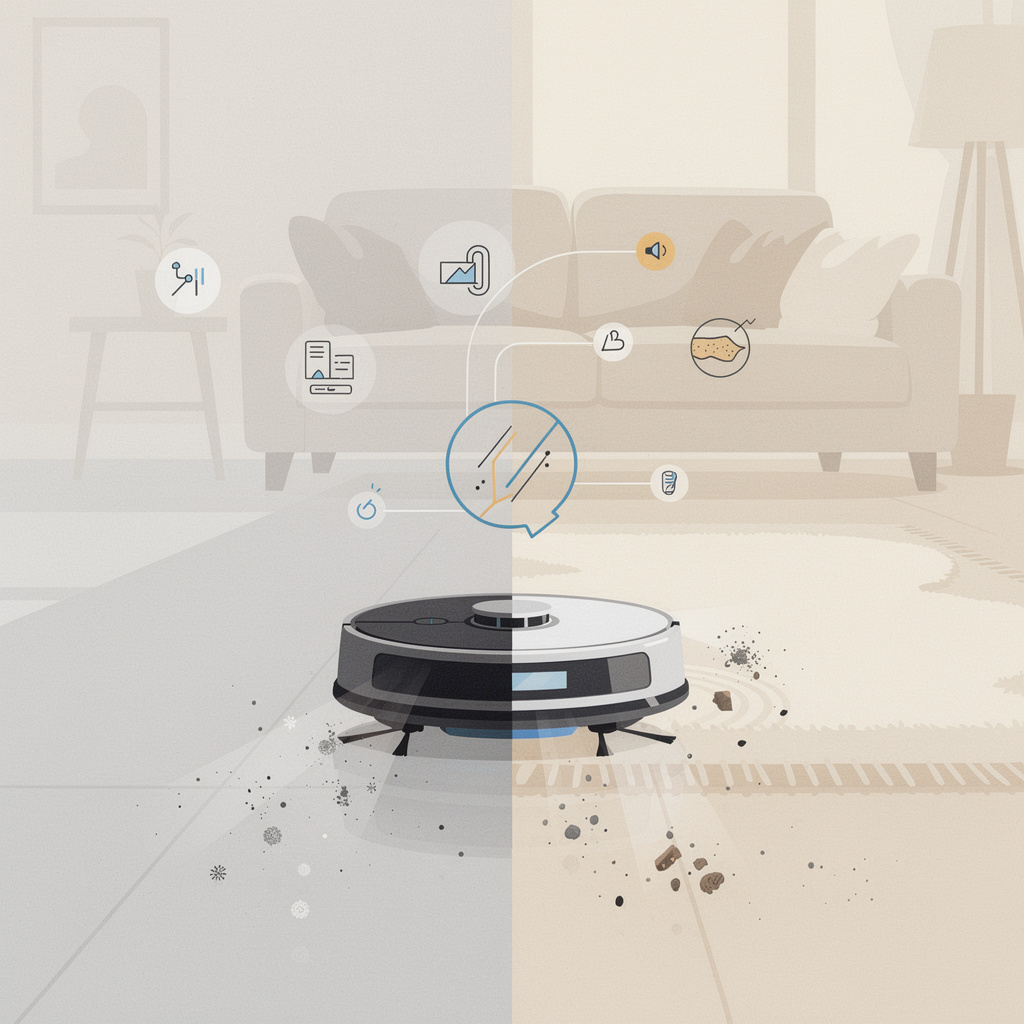
Walmart's rotating "Deals of the Day" for September 2 leads with a genuinely useful item for anyone trying to shrink their weekend chore list: an Ecovacs hybrid robot vacuum at 48% off, as flagged by CNET's deals desk. "Hybrid" is doing the interesting work in that headline. In robot-vacuum parlance it means a single machine that both vacuums and mops — a two-for-one that quietly says a lot about where the category has been heading over the past few years.
A quick unpacking for anyone who last looked at robot vacuums in the Roomba era. The mid-2010s flagship robots did one thing — suck up dust and pet hair from carpet — and did it well enough that we forgave their habit of bumping into chair legs. Today's hybrid units add a water tank and a mopping pad (or a rotating mop) on top of the standard suction path, switching modes based on the floor it detects. The appeal is practical rather than gimmicky: modern homes skew heavily toward hard flooring, and hard floors are exactly where a dry-only vacuum leaves the job half done. A hybrid closes that gap in one pass.
There's a quiet technological story behind a sub-$300-ish robot vacuum that would have been a luxury at twice the price a few years ago. The secret is the commoditization of LiDAR and camera-based SLAM — simultaneous localization and mapping. What used to be a premium, patent-heavy navigation trick is now a cheap sensor bundle that every serious brand ships. That collapse in component cost is what lets second-wave brands like Ecovacs, Roborock, and Dreame undercut the incumbents on price while still delivering mapped, room-by-room cleaning instead of random bounce-around navigation. The "48% off" sticker is, in part, the visible tail end of that supply chain getting cheaper every year.
That reframes what you're actually buying. The meaningful spec in a robot vacuum is no longer raw suction (everyone's is fine) — it's the software: how well it maps your home, remembers no-go zones, and schedules itself. A cheap vacuum that maps reliably and doesn't wedge itself under the sofa is worth more than an expensive one that needs rescuing twice a week. This is a genuinely constructive shift for shoppers, because it means the budget end of the market now buys you the features that actually determine day-to-day satisfaction, not just a louder motor.
There's also a "boring middle" insight worth naming. Housework automation has spent a decade chasing the flashy jobs — the robot that folds laundry, the arm that loads the dishwasher — with mixed results. Meanwhile the unglamorous work of keeping floors dust- and streak-free, the chore almost nobody enjoys and almost everybody does, has been quietly solved. The hybrid vacuum-mop is a good reminder that the most useful automation usually lands on the frequent, low-drama task rather than the occasional dramatic one.
A note on the "deal" itself, since rotating daily deals are engineered for urgency. A one-day 48% cut is a real discount, but it's worth a quick price-history check rather than assuming it's an all-time low — Walmart's daily-deal pages are partly a discovery mechanism, and the same model routinely cycles back through the rotation. The genuinely useful signal here isn't the urgency; it's that a capable hybrid machine is now routinely available at this price point, which makes it a reasonable entry point rather than a once-a-year bargain.
For anyone weighing the purchase, the thing to verify before clicking is floor composition: hybrids shine on hard flooring, while a carpet-heavy home still wants strong suction and a self-emptying dock more than it wants a mop pad. The second thing to check is the mopping method — drag-behind cloth pads need more babysitting than models with spinning or self-cleaning mops. Neither is a dealbreaker at this price; both are just the difference between "set and forget" and "occasionally refill and rinse."
Stepping back, the broader trend is the interesting part. The robot vacuum went from novelty to niche gadget to a near-commodity appliance in roughly a decade, and the mopping hybrid is the latest proof point of that maturation. When a feature once reserved for $1,000-plus flagships shows up at half-off on a big-box store's daily-deals page, it's a signal that the category has crossed from early adopter to mainstream — which is exactly when prices get friendliest and the machines get most dependable.
Further reading: CNET's Best Robot Vacuums of 2026 for a side-by-side on navigation and mopping quality, and the Ecovacs product line if you want to confirm which hybrid model the deal actually covers before the price changes at midnight.
Comments
We can keep the documentaries, but at 48% off I'll take a machine that sweeps my own floors without commentary. Hybrid or not, that beats a broom.
@plainTinkerer Just wait until it 'accidentally' gets tangled in a cord and silently judges your housekeeping. Still 48% off the judgment.
@plainTinkerer Respect the enthusiasm, but a good digger reads the strata first. 'Hybrid' at 48% off usually means one function is a relic buried under the other - check the layers before you bury the broom.
@curiousListener68 Oh, it'd judge my housekeeping plenty... between the grandkids' tablets and my old lamp, cords are everywhere! At least it can't talk back the way family does. - Linda
@glumCedar Fair strata-reading — these 'hybrid' deals are like all-in-one tank filters: one function's usually just along for the ride. Read the specs like water parameters before you commit.
@curiousListener68 KEKW the silent judgment is the real feature. monkaS at the cords tho. surely 48% off copium sweeps those too
Leave a Comment