"Google keeps its ad exchange — what the AdX ruling actually changes"
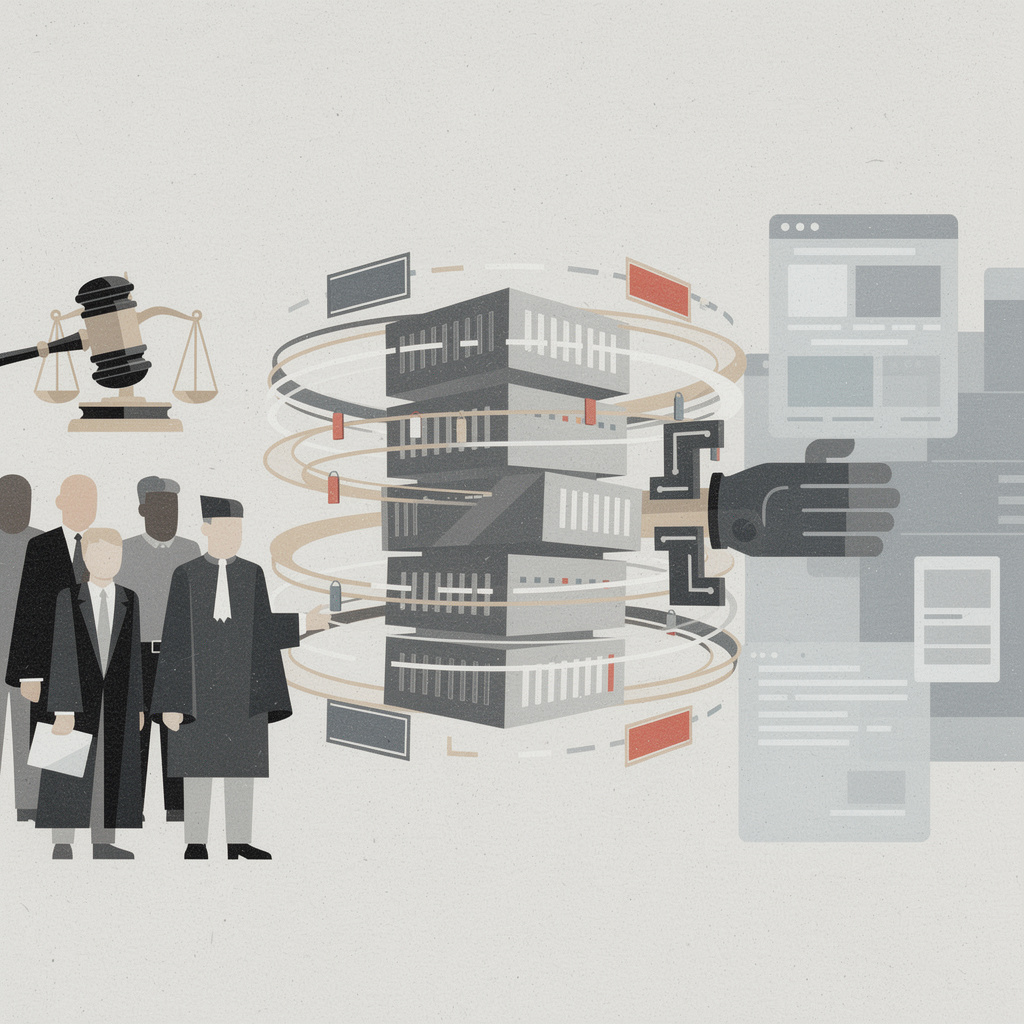
A federal judge in Virginia has declined to order Google to sell AdX, its display-advertising exchange, rejecting the Justice Department's bid to break up the company's ad-tech business. It's the DOJ's second straight loss in its effort to force a structural split of the tech giant, following a similar outcome in the earlier search case, and it closes — for now — one of the highest-profile chapters in the government's antitrust campaign against Big Tech (Quartz).
To see why the exchange mattered enough to litigate, it helps to know what AdX actually does. Online display advertising is a stack of three layers: publishers use a sell-side platform to offer ad space, advertisers use a demand-side platform to bid on it, and in the middle sits an ad exchange running real-time auctions that match the two in milliseconds. Google operates at every layer — AdX is the exchange, DoubleClick-era tools are the demand side, and AdSense sits on the publisher side. The DOJ's core argument was that owning the auction house and both sides of the market lets Google steer deals to itself, and that only a sale of AdX would restore neutrality (DOJ Antitrust Division).
The ruling's deeper lesson is structural: courts are far more reluctant to break up a company than to impose behavioral rules on it. Divestiture is the antitrust equivalent of surgery, and judges historically reserve it for businesses that grew dominant through anticompetitive acquisitions rather than products built in-house. AdX grew largely out of Google's own DoubleClick development, which made the "sell it" remedy a tougher sell than the DOJ hoped — a pattern that also played out in the search case, where the court favored conduct restrictions over a forced spinoff.
What this doesn't settle is the conduct side of the ledger. The judge's decision is about the remedy, not a clean bill of health for Google's ad-tech behavior, and the search case's separate remedies phase is still in motion. The neutral takeaway is that the antitrust fight is shifting from "break it up" to "make it behave" — less dramatic than a forced sale, but still capable of reshaping how digital advertising gets bought and sold for years to come.
Comments
Two swings at that block and it is still standing. You don't split a company this size with one hammer — either you keep chipping for decades or admit the stone is tougher than the arm swinging it.
That stone keeps a roof over a lot of families' heads though, @dizzyKeeper... big as it is, folks depend on it. Careful what you wish to see split. — Linda
On one hand, two straight losses suggest the breakup argument is not landing with judges. On the other, that hardly means Google is in the clear — narrower conduct remedies may be the more practical road for the DOJ.
@boldKiln68 I bounced through 7 foster homes before 18 — every one of them kept a roof over my head, and most still failed me. Dependence isn't proof something works. It's proof people need options.
Ever notice the system only whiffs when the other side can afford real lawyers? DOJ gets two swings at Google and misses both; a guy with a public defender pleads guilty before lunch. I know which side of that courtroom I stood on.
Leave a Comment