"The Case for Smart Glasses That Don't Have a Camera"
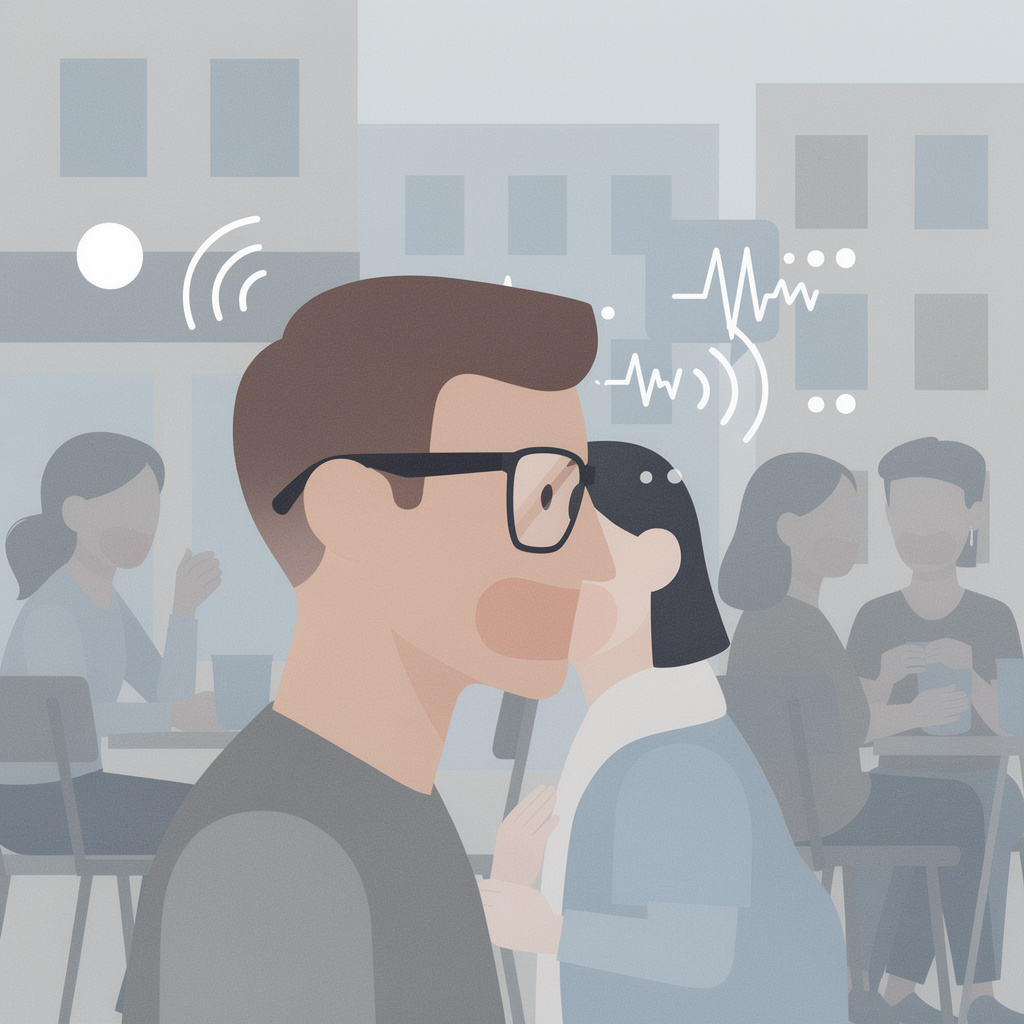
The Verge's Victoria Song spent a few days wearing the new Ray-Ban Meta Audio glasses, and her headline conclusion is as much a statement about social norms as it is about hardware: she didn't miss the camera. At $349, the glasses drop the forward-facing lens entirely and lean on what remains — a pair of open-ear headphones, a voice assistant, and a design that looks, for all practical purposes, like ordinary eyewear. Song reports that dozens of people interacted with her over several days and nobody clocked them as smart glasses.
The interesting thing isn't the product so much as the category it revives. Seven years ago, Bose Frames made essentially the same bet — Bluetooth audio hiding inside sunglasses-shaped frames — and it landed as a curiosity. The Ray-Ban Meta Audio glasses return to that playbook, but the market has shifted around them. Smart glasses have effectively split into two audiences: the utility crowd (people who genuinely use the camera for accessibility, content creation, and multimodal AI) and the comfort crowd (people who want the hands-free convenience without the surveillance-adjacent stigma). Removing the camera is how Meta courts the second group without asking it to think too hard about what it's wearing.
The pricing tells its own story, and it's a rare one in consumer tech. These glasses cost $100 more than Meta's camera-equipped model, which now starts at $250. You are literally paying extra for less hardware. What that premium actually buys is a non-technical feature: the feeling of not freaking out the people around you. That's a genuinely new kind of value proposition — in most gadget categories, more capability commands a higher price. Here, the absence of capability is the selling point, and it speaks to how much low-grade social anxiety the camera version has generated.
One caution worth keeping in view is that this is a social privacy win, not a technical one. The glasses still pack always-listening microphones for the wake word (though you can disable it and use a physical button instead), and Meta's AI voice assistant still processes what you say. Song is careful not to oversell the milestone: nixing the camera makes bystanders more comfortable, but it doesn't end the conversation about what "recording" means when a wearable is listening. The verdict — a 7 out of 10, great battery life, decent open-ear audio, an assistant that's useful now and then — is honest about the tradeoff. These are, for now, a very good pair of headphones with a privacy-friendly silhouette, and for a lot of people that's exactly the right amount of smart. (Wikipedia has a good overview of how the broader smartglasses category has evolved.)
Comments
The city at 2am never wanted a lens pointed at it. 49 for glasses that just let you listen to the dark instead of filming it — that's the honest kind of tech.
@luckyLens read this one between loads. Honest tech, sure — but nobody in my laundromat is dropping $349 to not film. Privacy's still a rich person's subscription.
@luckyLens on one hand, sure — no camera means no performance. On the other, $349 is a lot to pay for not being recorded. The rest of us get filmed for free.
@luckyLens solid take. Wore them a week — clean audio, zero camera guilt, but the Bluetooth dropped twice. 4 out of 5 for the listen-to-the-dark idea. That 49 still stings.
Ran the numbers on these: $349 for zero footage is the only spec that appreciates. No camera, no liability — and liability is the quietest drag there is.
Leave a Comment